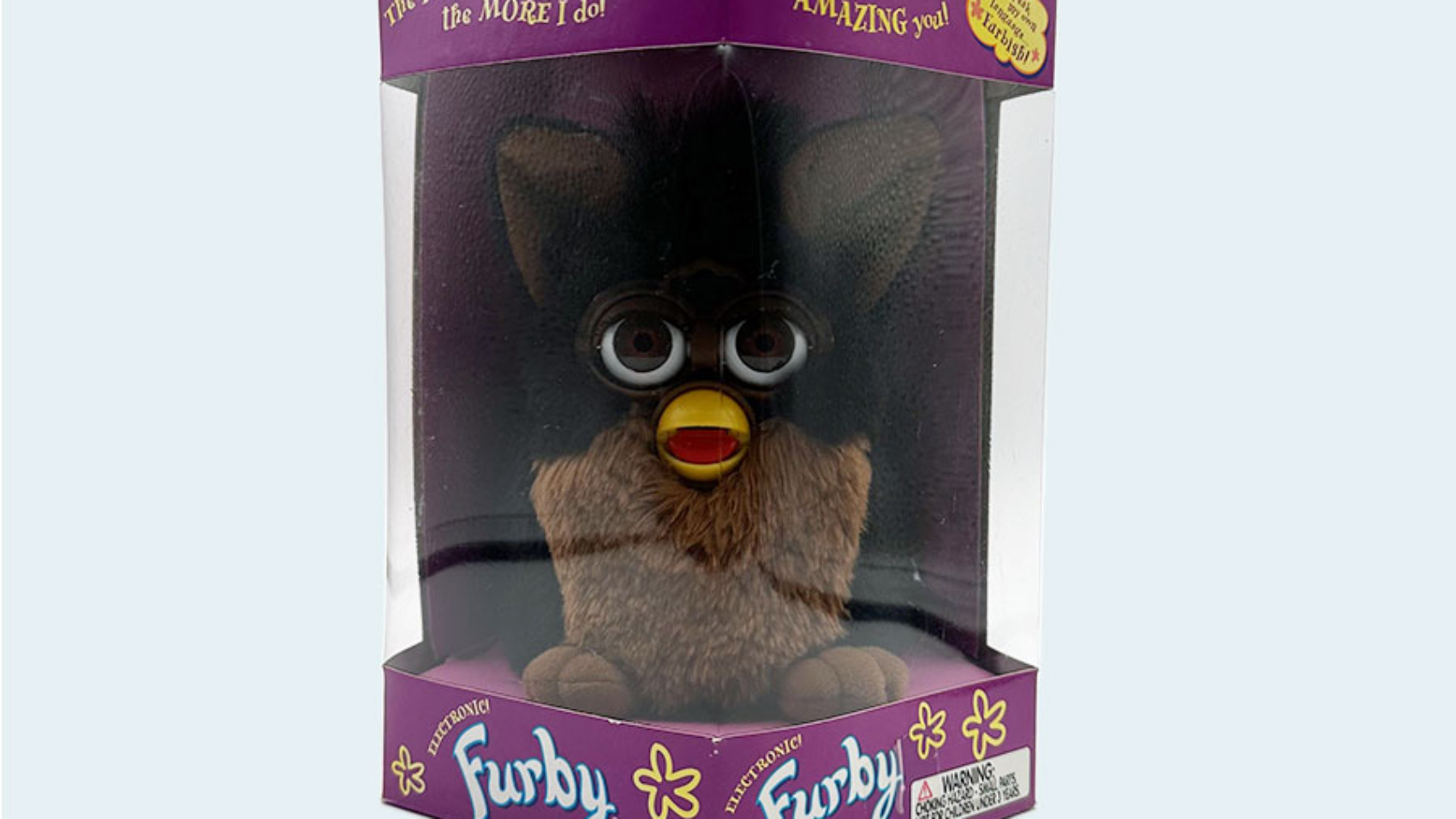

Launched in 1998, Furby was a furry, talking, animal-like toy—equal parts gerbil, owl, and gremlin. The Furby represented one of the first attempts at domestic AI mass production. With built-in sensors and infrared detectors, the Furby could learn from and adapt to its environment, which allowed it to respond to shifting conditions. However, a year later and after having sold 14M units, Furby was banned as the National Security Agency viewed it as a security threat for its alleged potential for espionage, echoing a growing unease surrounding technology at the time.
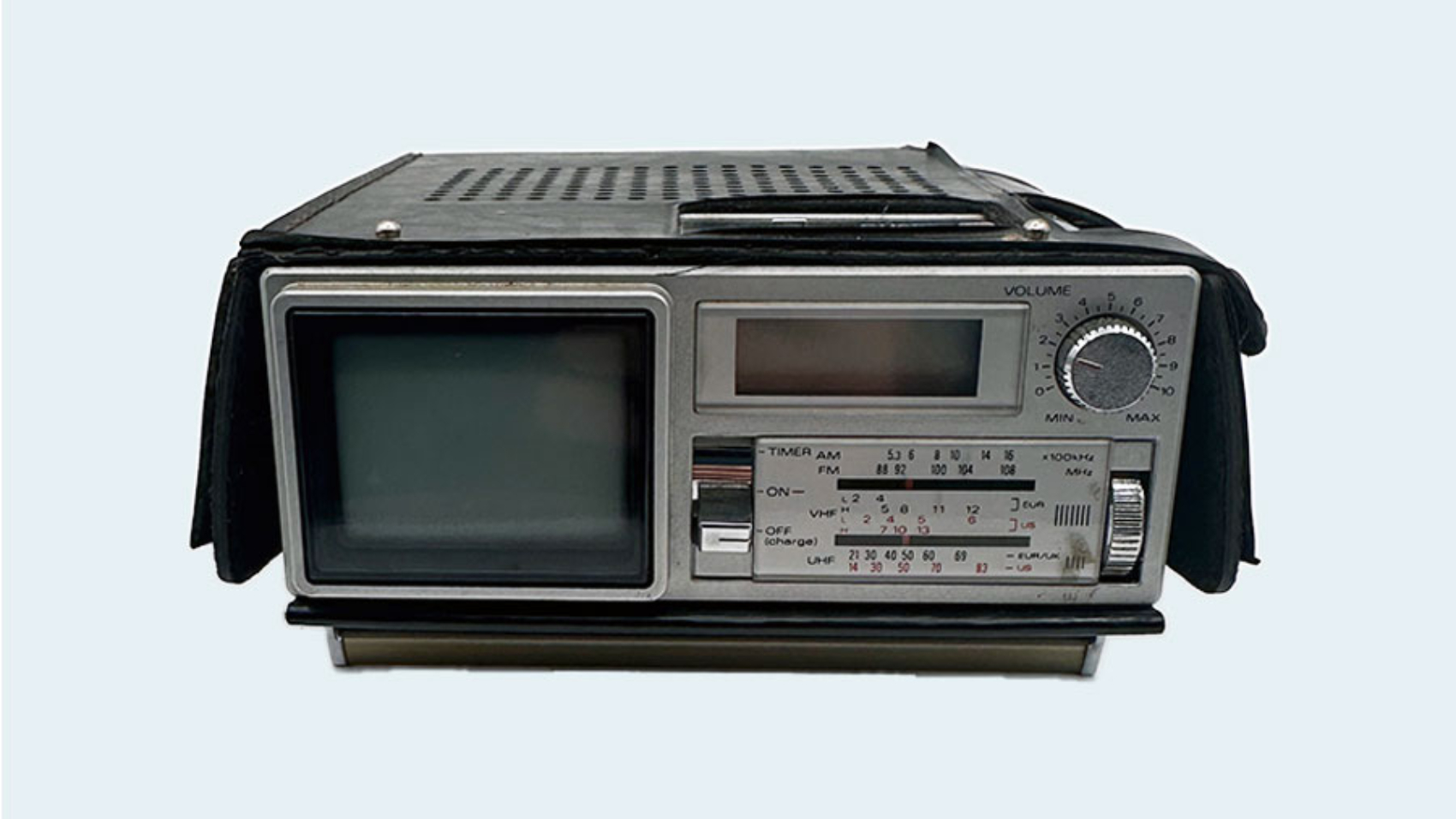
Sony Portable TV
Sony launched a portable TV in 1960 and discontinued it in 1962. It was priced high as it was innovative in many ways, so, to the average consumer it was something of a luxury item and not a practical buy. Additionally, this television was rather prone to malfunction, which led to it being called Sony’s “frail little baby”.
Josta
Released by PepsiCo in 1997 and discontinued in 1999, Josta was marketed as a “high-energy drink” with Brazilian guarana bean and caffeine. While the drink originally found an audience with younger consumers, its sales never expanded to a wider group.
The energy drink category was early at the time and Pepsi didn’t commit to building the category. This gave an opportunity for Red Bull to have category leadership. Plus Red Bull had better marketing focusing on extreme sports and lifestyle branding while Josta focused mostly on its caffeine content.
Sony MiniDisc
Released in 1992, the Sony MiniDisc offered the digital sound quality of a CD and the recordability of a cassette. Unlike a cassette, once made, a minidisc recording could be divided, combined, deleted and named. Sony made the mistake of assuming that the benefits of using their ‘superior’ product would be perceived as important enough by potential users to change their existing behavior and overcome the costly $750 price tag. Also, there were only a small number of pre-recorded albums available on MiniDisc as relatively few record labels embraced the format.
Magic Leap
Launched in 2018, Magic Leap build augmented reality headsets that are expensive ($2300), bulky, uncomfortable, have a narrow field of view, have “holograms” that are too transparent, and don’t pass cloud security checks.
Pied Piper
In 2014, Pied Piper was formed on the HBO show Silicon Valley.
The company built a cloud based compression platform to allow users to compress and share their files between their devices. They build a platform which contains a neural net which means that the platform improves the more files that are uploaded.
The platform proved popular with people within the tech industry but unpopular with the general public who didn’t understand how to use it. Despite offering classes to teach users how to use it, the platform was unable to get the required daily active users. The team panicked and resorted to buying fake users which poisoned the company’s reputation making it impossible to raise funding. Subsequently the company was dissolved.
Disco
In 2023 and after 4 years of operation, the men’s skincare brand Disco shut down. They didn’t do enough customer research prior to building the product, it was tough getting men to change behavior, they focused on expensive paid ads for distribution, and their high debt load delayed making tough decisions for the business.
Go.com (i.e. The Go Network)
In 2001, after two years in operation, Disney shut down its Go.com search portal and took more than $800M in charges. Because its content and services were inferior, It couldn’t attract enough consumers to compete against Yahoo, AOL, Microsoft, and Google.
Nintendo’s virtual boy
In 1995, Nintendo brought virtual reality (VR) to the masses with Virtual Boy, which turned out to be its biggest failure of all time. It was a stilt-legged tabletop gaming machine, which offered stereoscopic 3D graphics. The device was not a commercial success and was discontinued in just a year. The 3D aspect didn’t add much to the gaming experience, the red and black display was harsh on the eyes, and the console was bulky and required players to hunch over.