
In 2021, as the platform became larger, they could not devise a way to establish stronger relationships with users or scale self-sustaining communities. Management also failed to understand the fundamental nature of a social media platform and lacked a clear path to profitability.
New York Mets 2023
In 2023, the Mets had the highest payroll in MLB history at $374.7 million requiring them to pay an additional record $101 million luxury tax. They finished fourth in the NL East at 75-87 in the most expensive flop in baseball history.
Hyperloop One
In 2023, Hyperloop One, the futuristic transportation company building tube-encased lines to zip passengers and freight from city to city at airplane-like speeds, shut down. After raising $450M the nascent industry stumbled, and Hyperloop One never won a contract to build a working hyperloop.
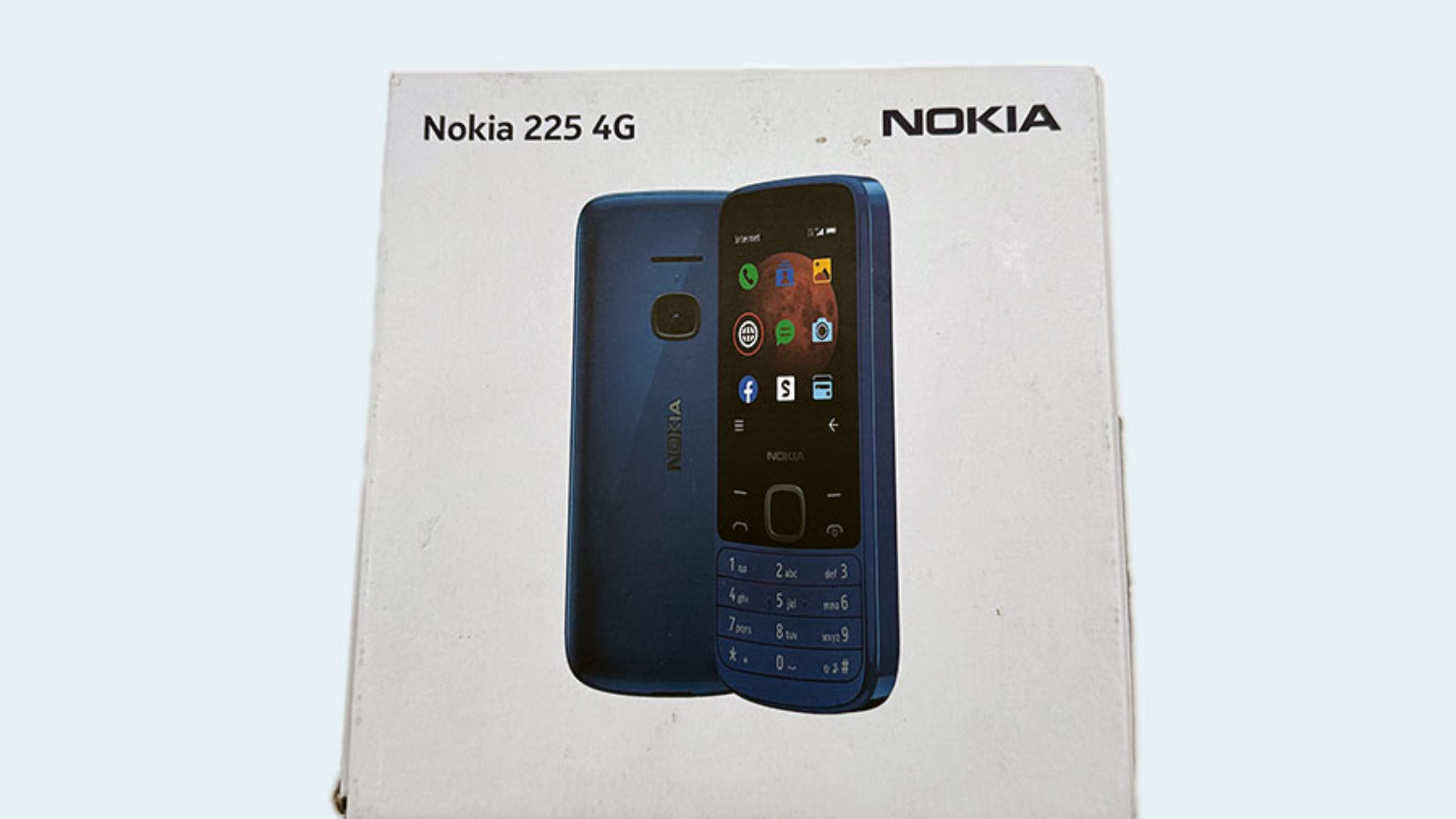
Nokia phone
Nokia dominated the pre-smartphone era, but underestimated the shift to touchscreen, software-first devices. The iPhone (2007) redefined what a phone was. Nokia thought phones were hardware, while the market moved to software platforms. Nokia’s operating system was complex for developers and had an outdated user experience. This resulted in developers flocking to iOS and Android, and Nokia’s app store lagged badly.
Something Navy
Something Navy, a clothing retailed built around social media accounts by popular fashion influencer Arielle Charnas was acquired in a fire sale in 2023. The fashion brand missed the mark with customers–and left suppliers unpaid–while its social media star partied online.
PaperExchange
PaperExchange, founded in 1998 with an unsuccessful IPO attempt in 2000, was a B2B marketplace for the pulp and paper industry.
More than 1,000 such B2B marketplaces for products that ranged from commodities such as lumber to specialized components such as airplane parts-managed to receive funding. Unfortunately, most of these companies failed to realize that the lifeblood of a marketplace is liquidity and that, in B2B, a few large enterprises can generate most of the transaction volume so critical for that purpose. These behemoths typically don’t need the help of an independent marketplace, however, and they can bargain fiercely with anyone who hopes to trade with them. Independent, fee-based marketplaces have therefore mostly languished in the absence of a business model that could vindicate their early optimism.
AltaVista
AltaVista launched in 1995, which was two years before Google. Google focused solely on search, while AltaVista built a graphic-rich portal with live news & sports, shopping, and search. AltaVista’s search results pages were filled with irrelevant display ads as they were focused too much on revenue. Meanwhile, Google didn’t need to make money immediately allowing Google AdWords to focus on paid ads that enhanced page relevancy. By the time AltaVista refocused on search and wound down its portal features, Google was ahead in search and extended their lead with deep investment in advanced search technology, more relevant advertising, and continuous innovation. The search results and simplicity of Google were so much better that users noticed it right away, and switching costs were zero.
Wachovia
Exposed to risky loans, such as adjustable rate mortgages, Wachovia began to experience heavy losses in its loan portfolios during the subprime mortgage crisis. Once Washington Mutual was seized, Wachovia immediately lost a total of $5 billion in deposits. Federal regulators pressured Wachovia to put itself up for sale over the weekend leading to its sale to Wells Fargo in 2008.
Coolest Cooler
In the summer of 2014, Ryan Grepper raised over $13 million, making it the most funded Kickstarter campaign of 2014. In December 2019, the company announced that it was closing, with over 20,000 of the 62,642 original backers never receiving a cooler. After years of missteps, manufacturing problems, and unfulfilled promises, Coolest Cooler said the trade war with China ultimately made its future untenable. The project came to be regarded as Kickstarter’s largest failure.
YotaPhone
Launched in 2012 in Russia, Yota’s manufacturer, Hi-P Singapore, sued for $126M in 2015 because YotaPhone reportedly refused to take delivery (and presumably pay for) the minimum number of phones it agreed to order. Yota Devices was unable to pay the $18M in settlements and decided to go bankrupt.
Yota had an interesting concept. It featured a full color display on one side and an E Ink panel on the other. This provided users two different screens to do their tasks, the e-paper display was ideal for reading.