Peloton - Failure Museum

Peloton

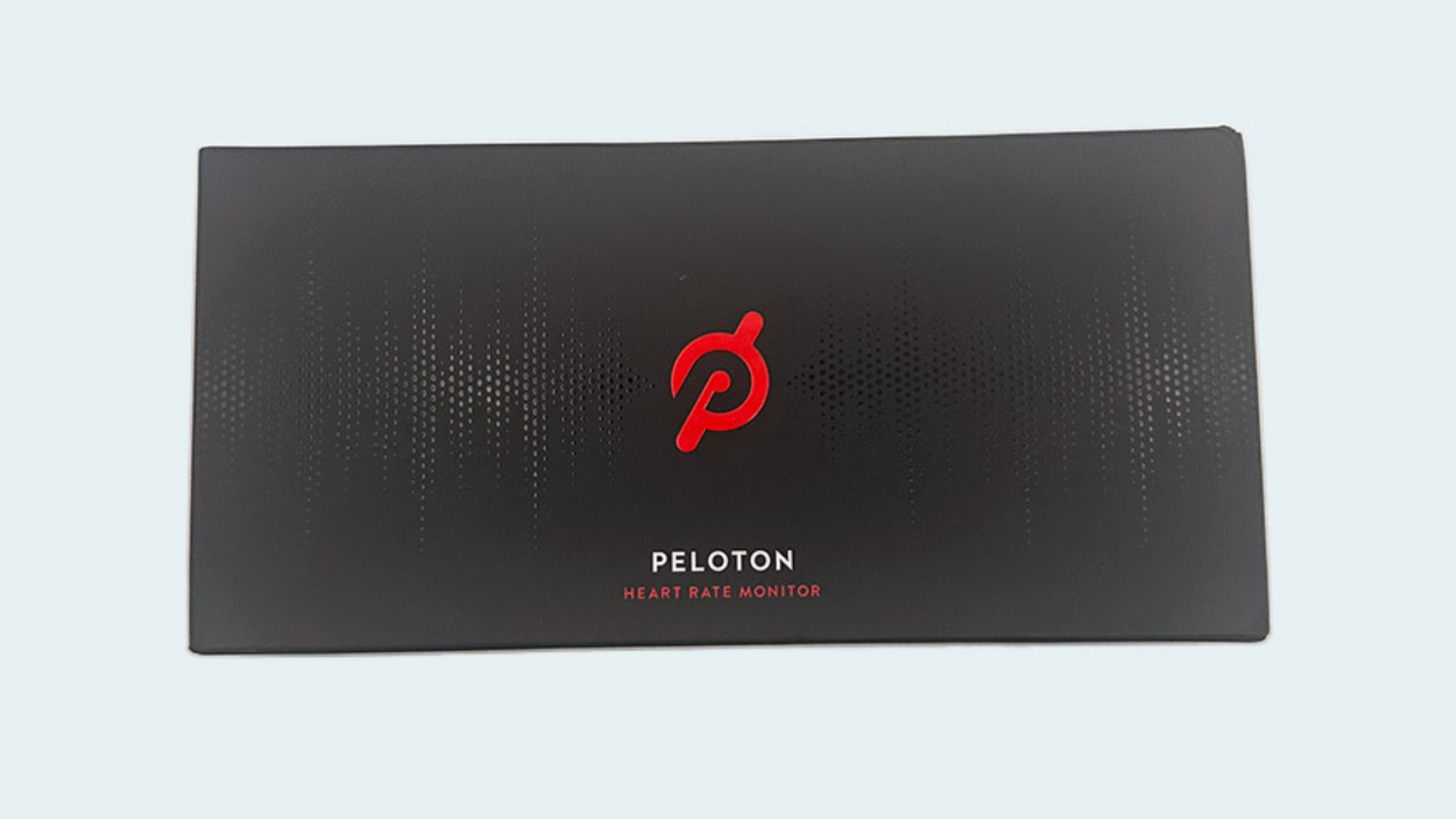
After peaking at a $45B valuation in 2020, Peloton was worth $1B in mid-2024. The connected fitness company carved its way into the mainstream as a solution to shuttered gyms during the early days of the Covid pandemic. But then it made the critical error of planning for that demand to last, even as the virus waned and lockdowns lifted.

Fotomat - Failure Museum

Fotomat

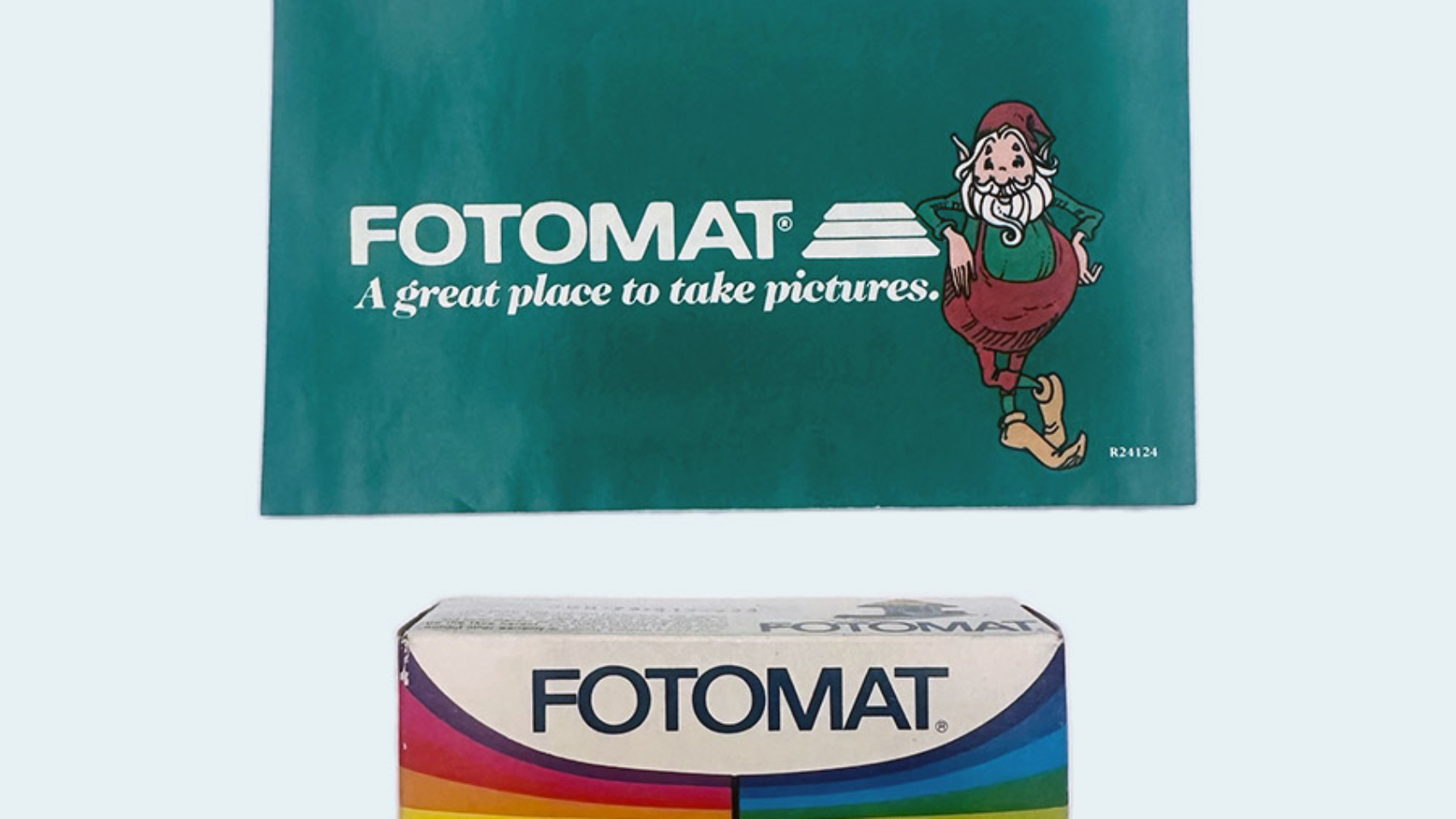
Founded in the 1960s and listed on the NYSE in 1977, Fotomat was an American retail chain of photo development drive-through kiosks located primarily in shopping center parking lots. At its peak around 1980, there were over 4,000 Fotomats throughout the United States. After the introduction of digital cameras, overnight service eventually became obsolete and Fotomat switched to online digital imaging at Fotomat.com where users could edit and store their images. This site ceased operations September 2009. Many former Fotomat huts still exist, having been converted into drive-thru coffee kiosks.

TB12 - Failure Museum

TB12

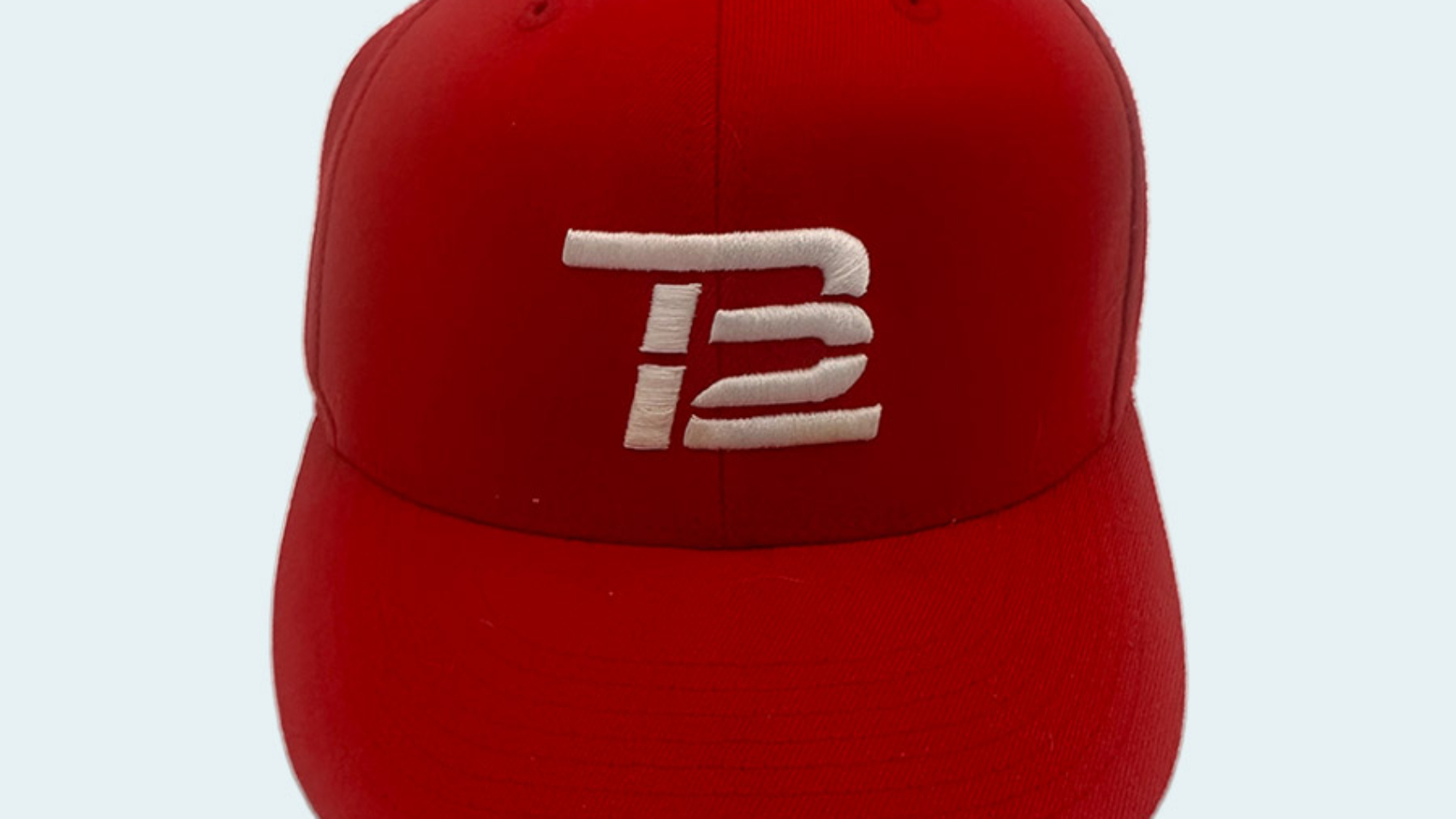
In 2023, TB12 closed its facilities in Boston, Tampa, Los Angeles, New York City, and Foxborough, where they sold fitness and wellness products that Tom Brady purportedly used to get him through 23 NFL seasons.

Starbucks Liqueur - Failure Museum

Starbucks Liqueur

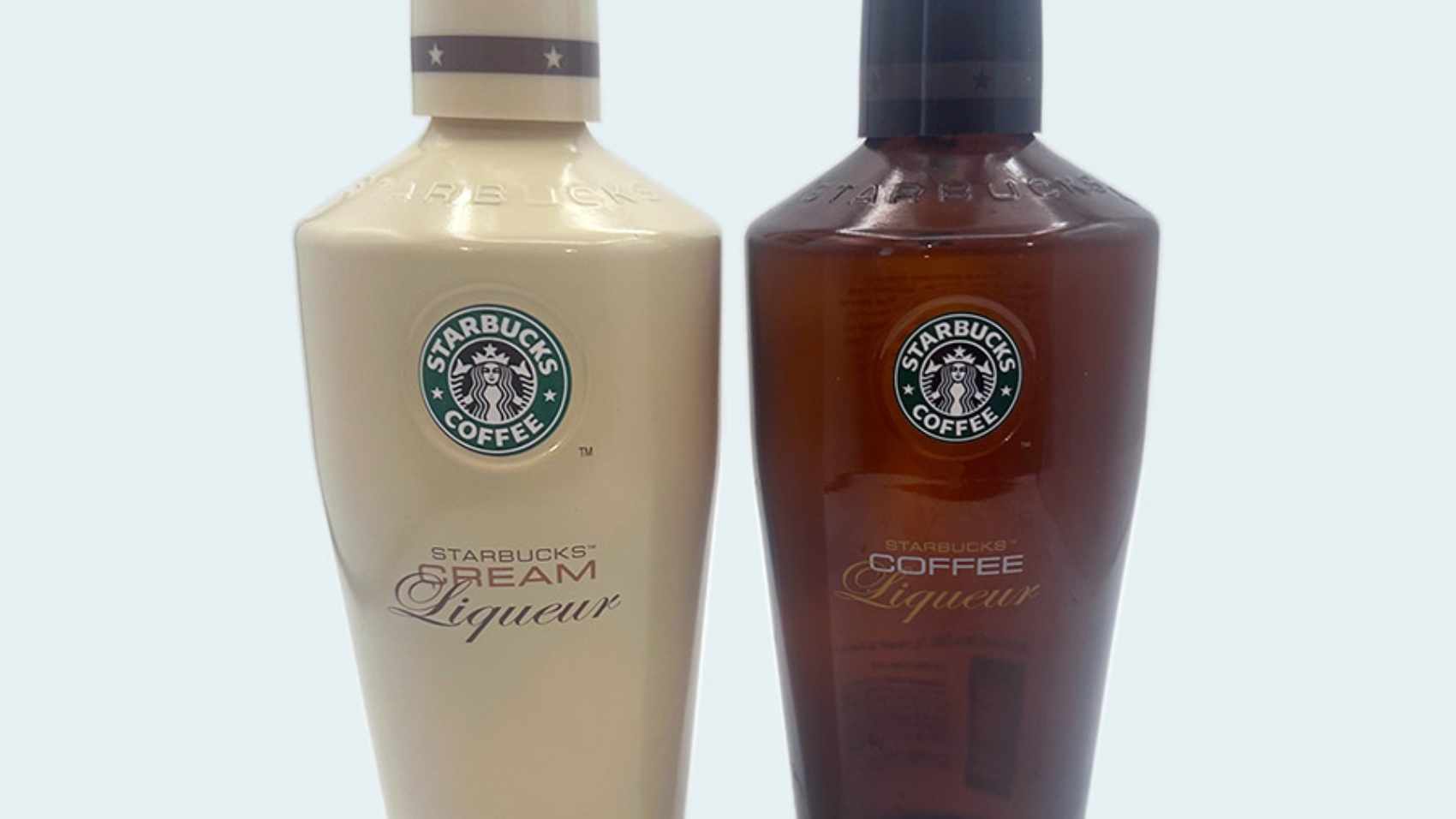
Launched in 2004 with Jim Beam, Starbucks Liqueur was sold in restaurants, bars and retail outlets since Starbucks was not licensed to sell alcohol. It seemed like a natural match since nearly 50 percent of Starbucks patrons already consumed coffee liqueurs, more than nine times the national average.

A couple other failed experiments were in 1995, when Starbucks and Dreyer’s Grand Ice Cream developed Starbucks Ice Cream and in 1996 when Starbucks Frappuccino coffee drinks were introduced in partnership with Pepsi-Cola Co.

Facebook Workplace - Failure Museum

Facebook Workplace

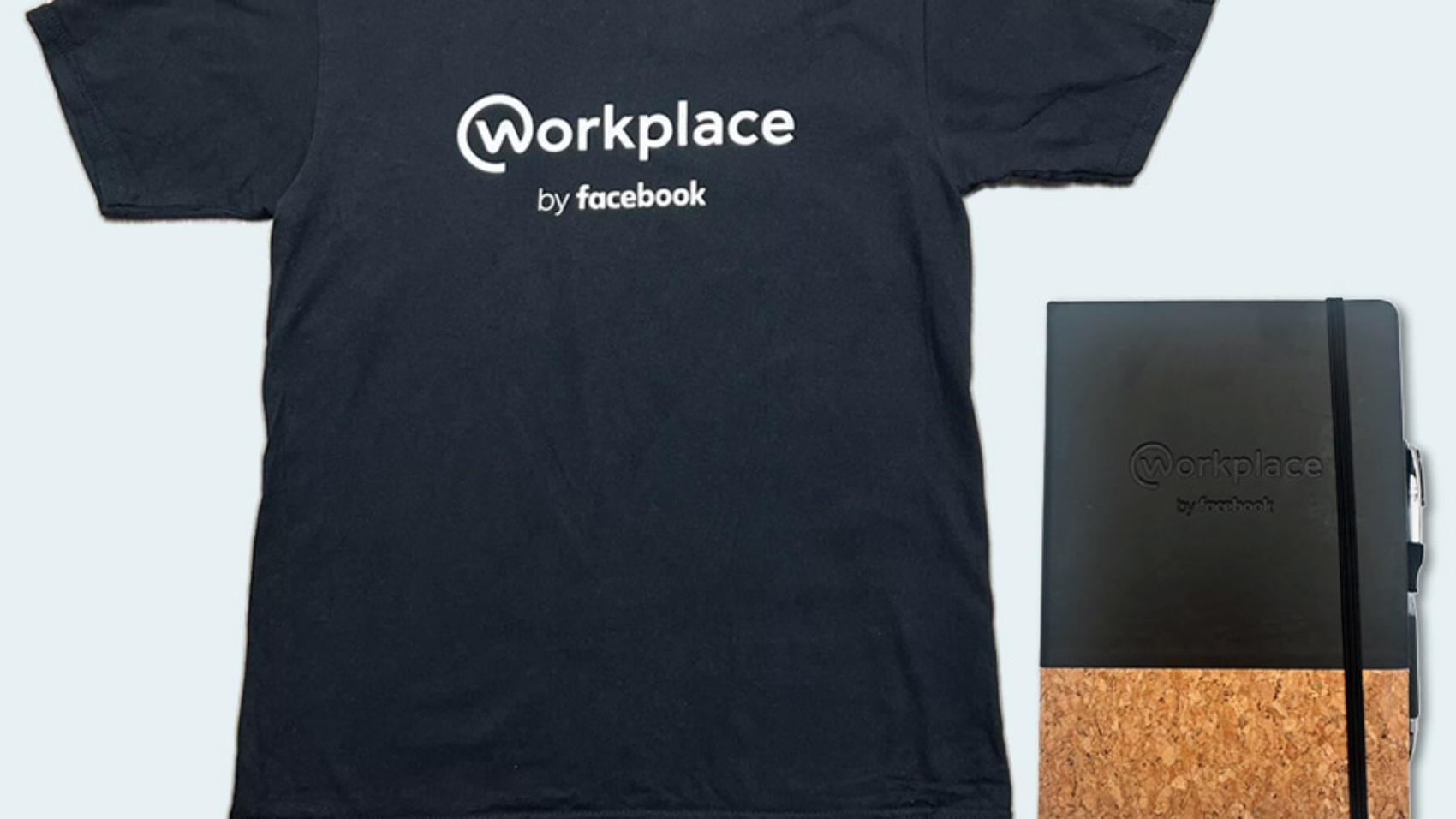
In 2024, Meta shut down Workplace, a version of Facebook that had been built to enable communication among business teams and wider organizations. That marked the end of a ten-year run for the product, which peaked at 7 million paid subscribers. Meta found it too hard to compete against Slack and Microsoft Teams. It was also hard for them to be successful at B2B software while being a consumer company.

Kinney Shoes - Failure Museum

Kinney Shoes

From 1894 to 1998, Kinney Shoes peaked at 467 stores was the largest family chain shoe retailer in the United States. Specializing in reasonably priced shoes, it spun out Foot Locker in 1974 and had a partnership with the NBA.

Pringles Croc Shoes - Failure Museum

Pringles Croc Shoes

Launched in 2024, the Pringles and Croc partnership “seamlessly combines the flavor-packed world of Pringles with the iconic comfort DNA of Crocs…Pringles’ first footwear collaboration delivers on what both of our brands do best, bringing ingenuity to fashion and flavor.”

Sharper Image - Failure Museum

Sharper Image

Launched in 1977 and closed in 2008, had 187 retail stores in 38 states with shelves stacked with high-end futuristic gadgets and electronics.  But other retailers and huge online stores began to sell similar high-tech toys, often at a better price or with a click of a button.

Gatorade Water - Failure Museum

Gatorade Water

In 2024, Gatorade launched its first unflavored water since consumers “expect Gatorade to meet all of their hydration needs.”

Synanon Products- Failure Museum

Synanon

Synanon, originally known as Tender Loving Care, was a new religious movement founded in 1958 by Charles E. “Chuck” Dederich Sr. in Santa MonicaCalifornia, United States. Originally established as a drug rehabilitation program, Synanon developed into an alternative community centered on group truth-telling sessions that came to be known as the “Synanon Game”, a form of attack therapy.

Described as one of the “most dangerous and violent cults America had ever seen”, Synanon disbanded in 1991 after several members were convicted of offenses including financial misdeeds, evidence tamperingterrorism and attempted murder.

The Synanon organization also developed a business that sold promotional items. This became a successful enterprise that for a time generated roughly $10 million per year.