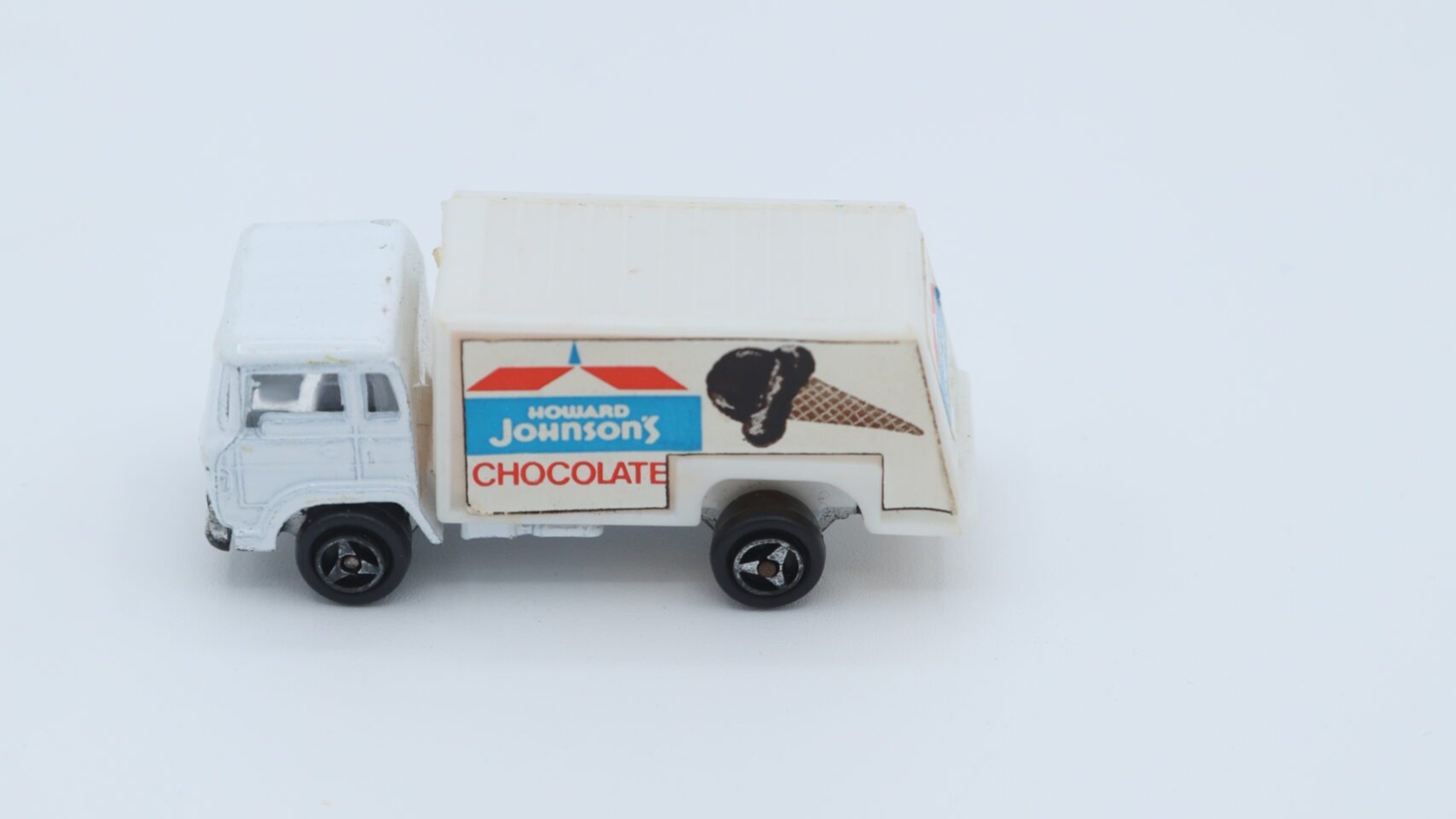
Howard Johnson
Long-neglected chain with ageing restaurants and a stale menu lost ground to mass-market fast food operations in 2005.
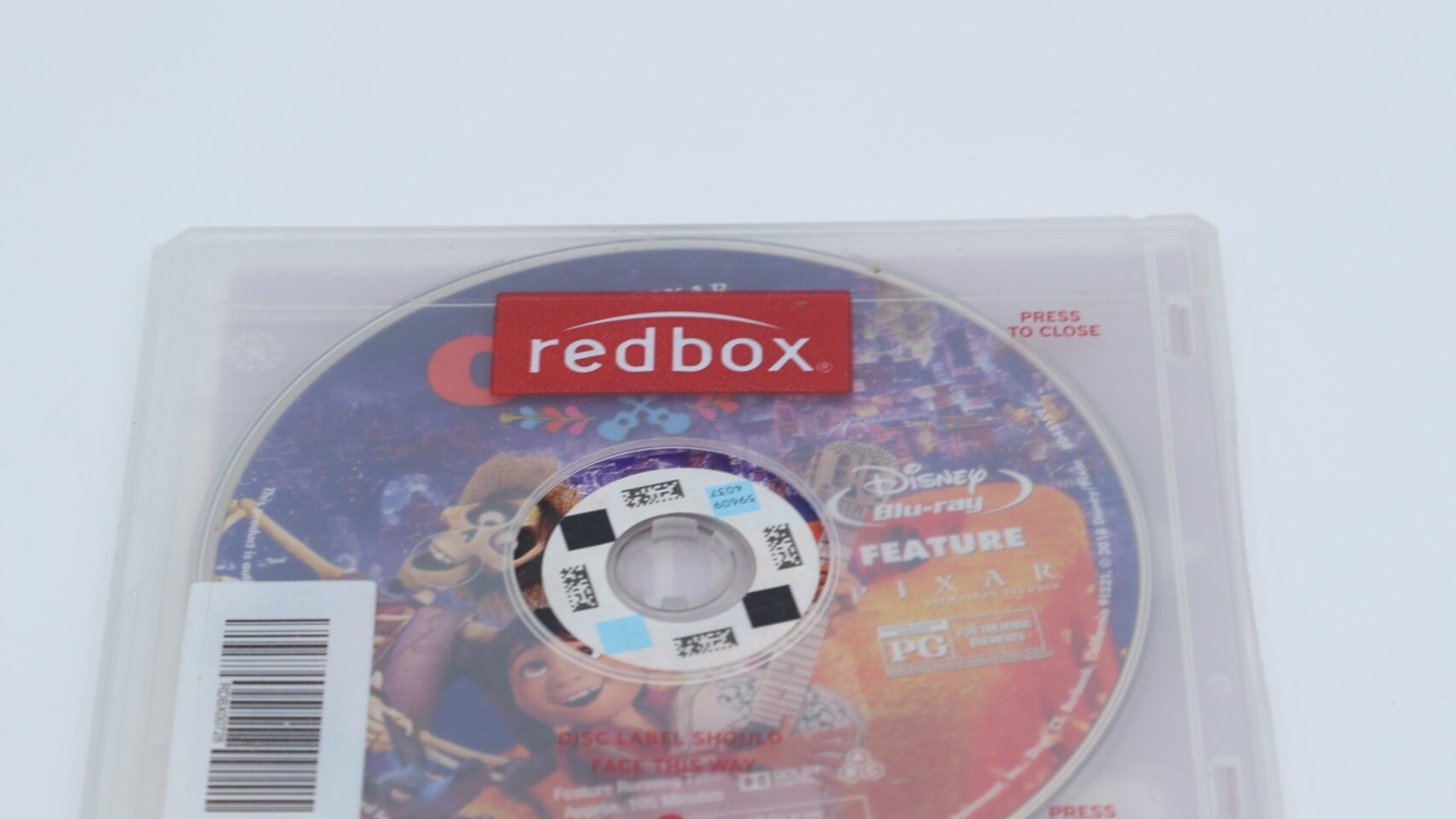
Redbox
In 2016, lost share to services that offer more convenience, value and selection — with instant viewing across multiple devices.

Netscape
Microsoft was on Internet Explorer 4.0, and countless users had made it their preferred browser of choice due to better functionality leading to Netscape’s demise in 2003.
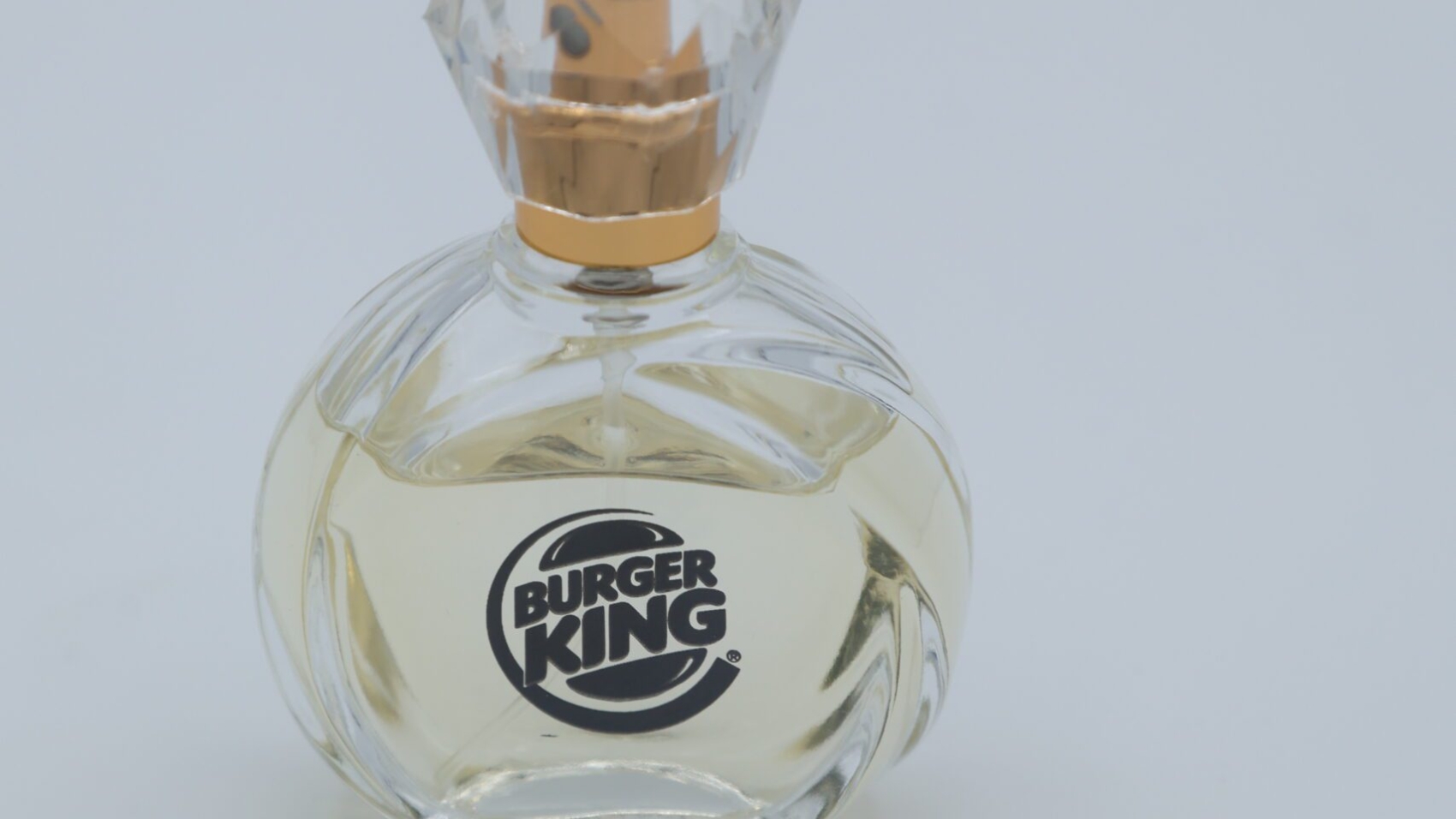
Burger King Cologne
In 2008, this cologne was proclaimed with “the scent of seduction with a hint of flame-broiled meat.”
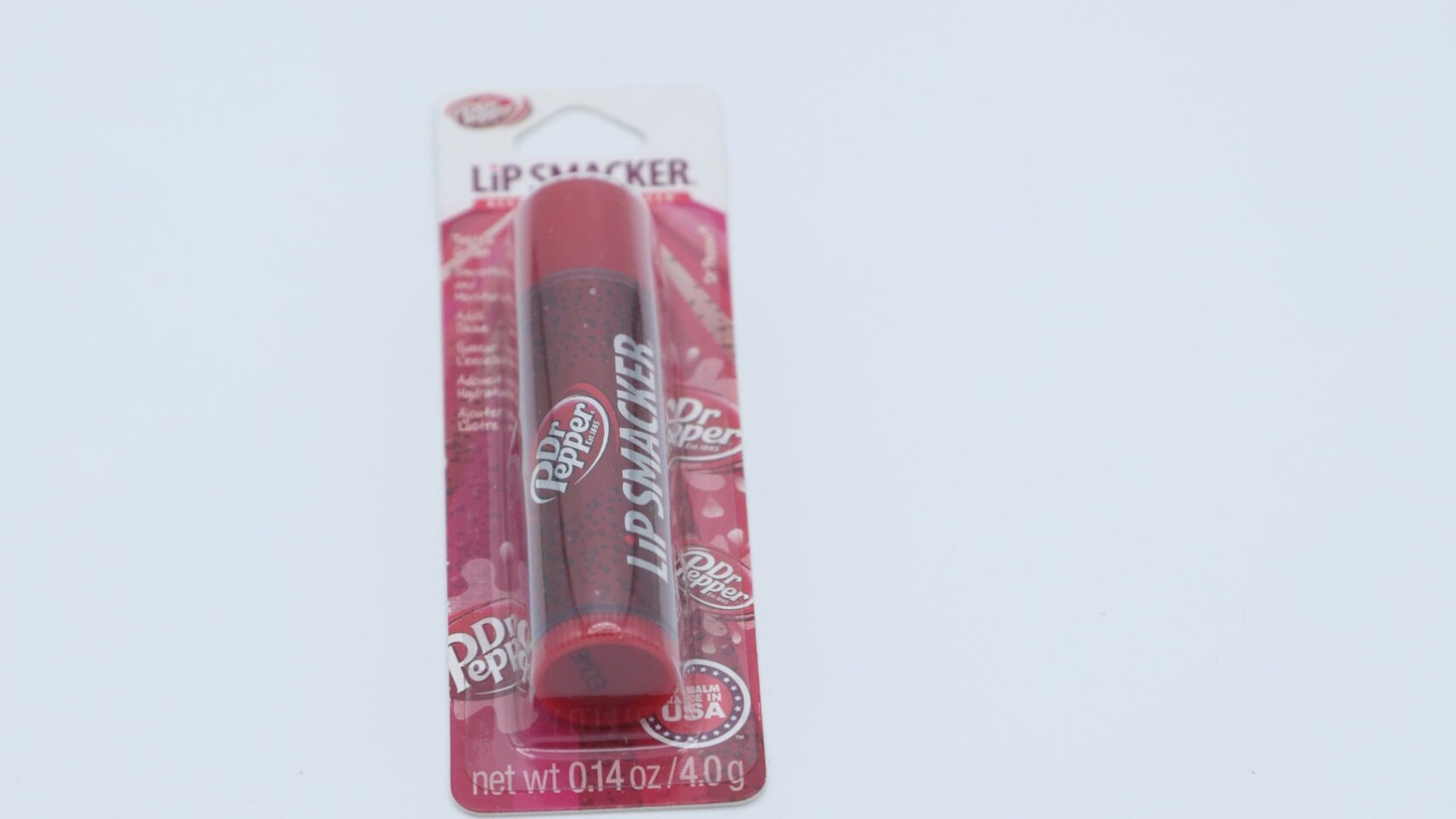
Dr Pepper Lip Balm
Created in partnership with Lip Smacker in 1975; initial popularity due to its subtle, berry tint that it produces.
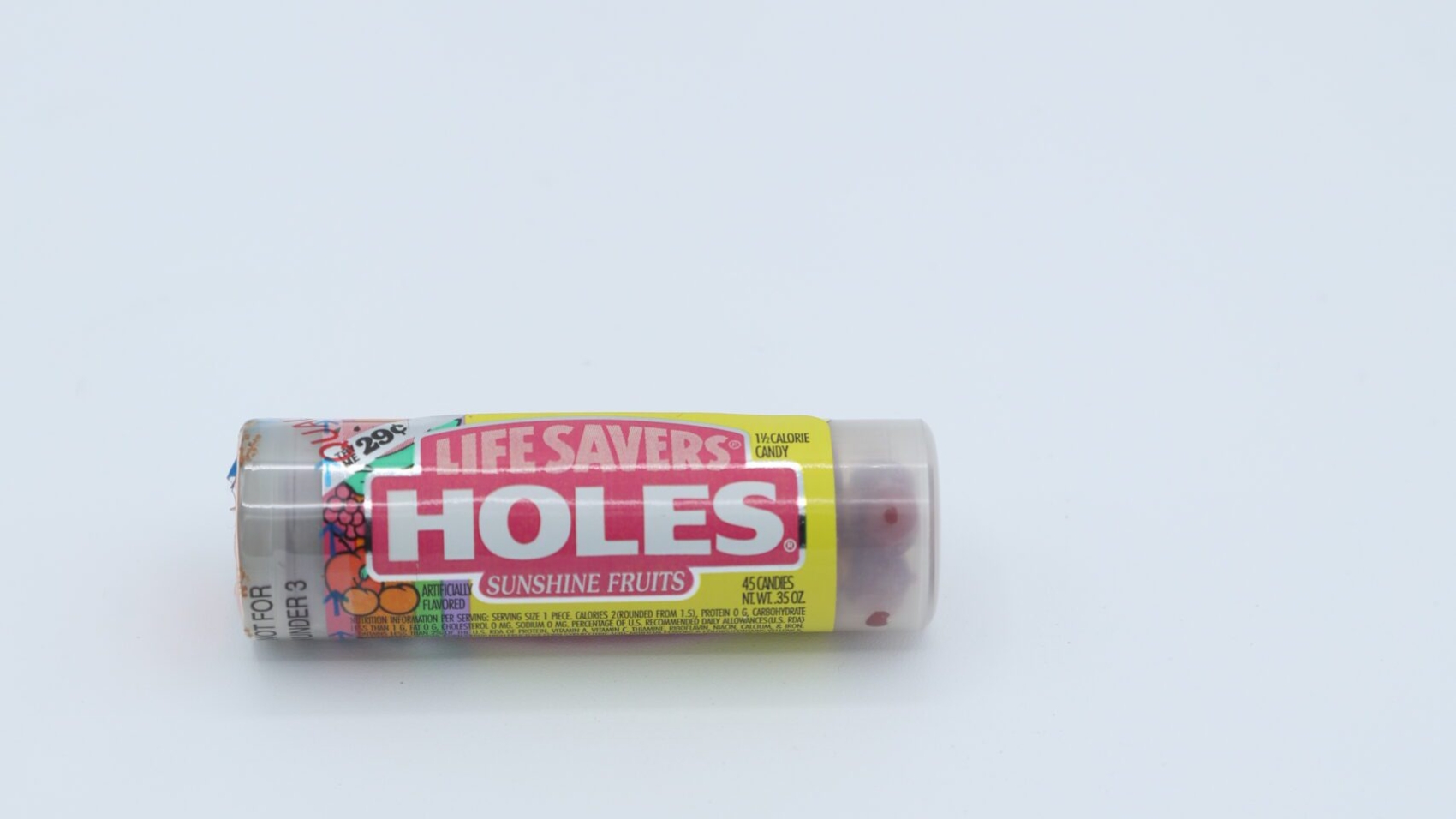
Life Savers Holes
Recalled 6 months after launching in 1991 since they were choking hazards.
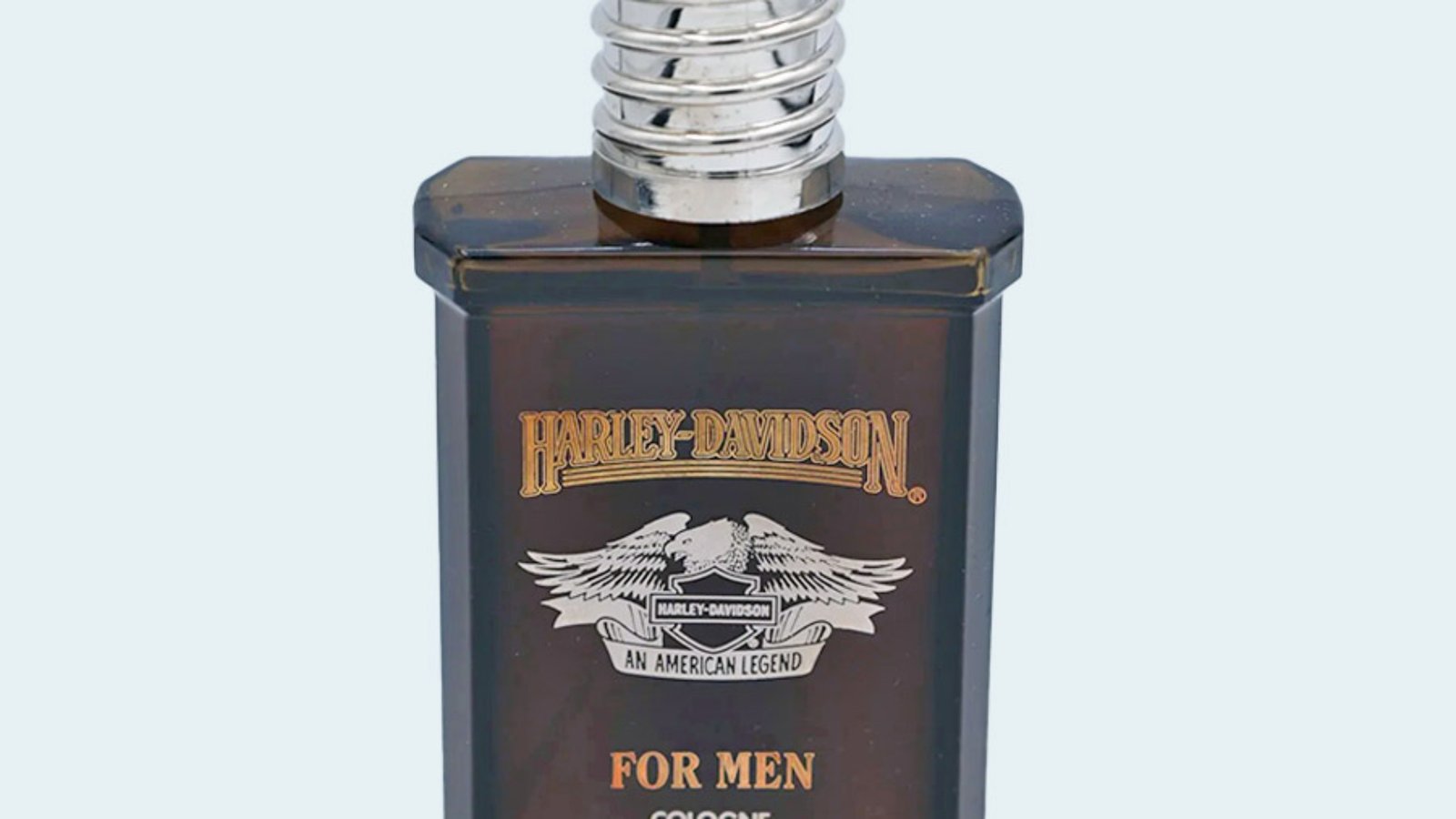
Harley-Davidson cologne
In 1996, this extension of the brand was too far for lovers of the motorcycle; reeked the scent of tobacco.
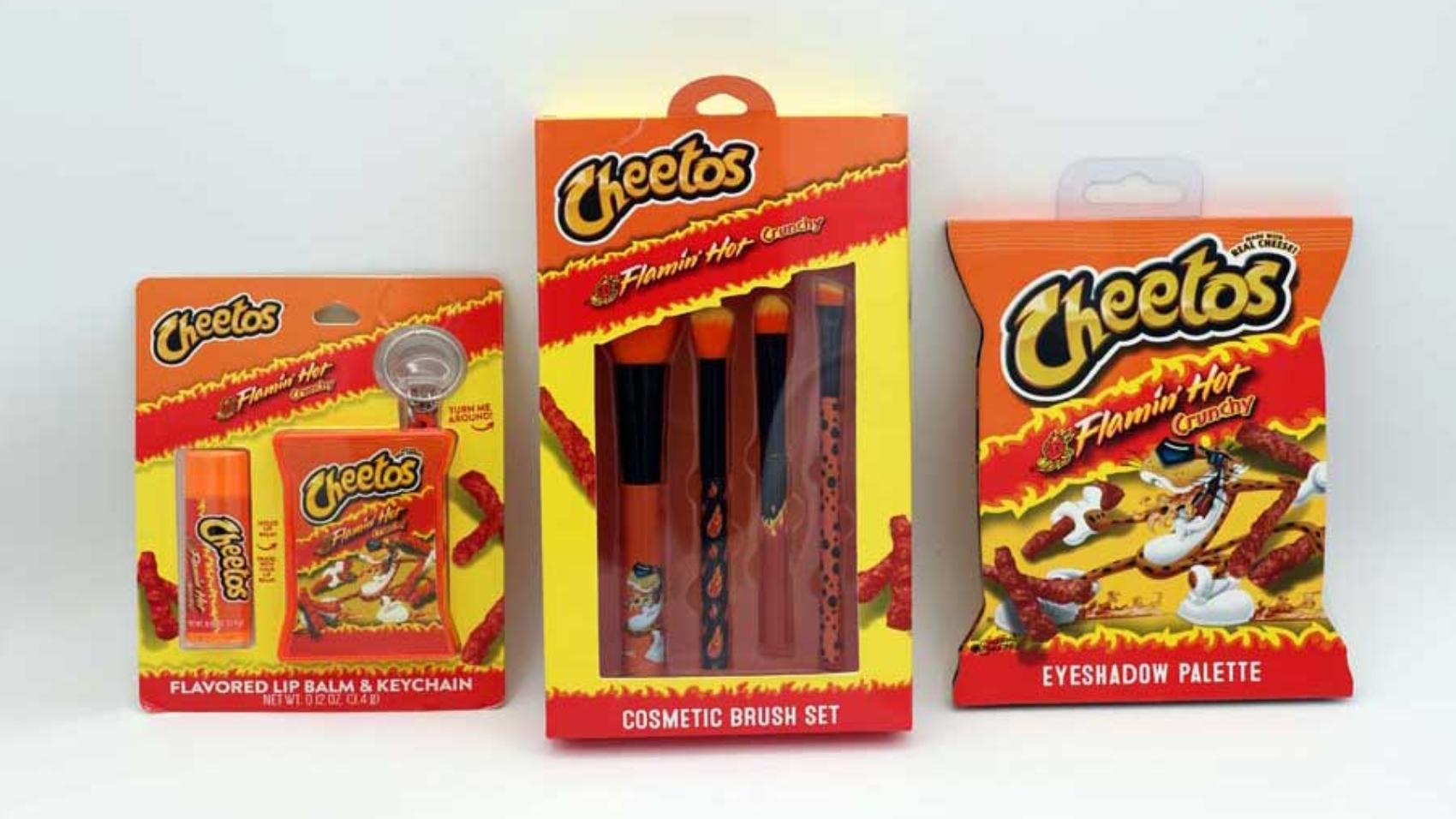
Cheetos Cosmetics
In 2016, PepsiCo collaborated with clothing brand Forever 21 to launch Cheetos makeup products following KFC’s launch of edible nail polish. However, consumers preferred their lip balm to taste and smell like vanilla, cherry, mint & orange, not Cheetos.
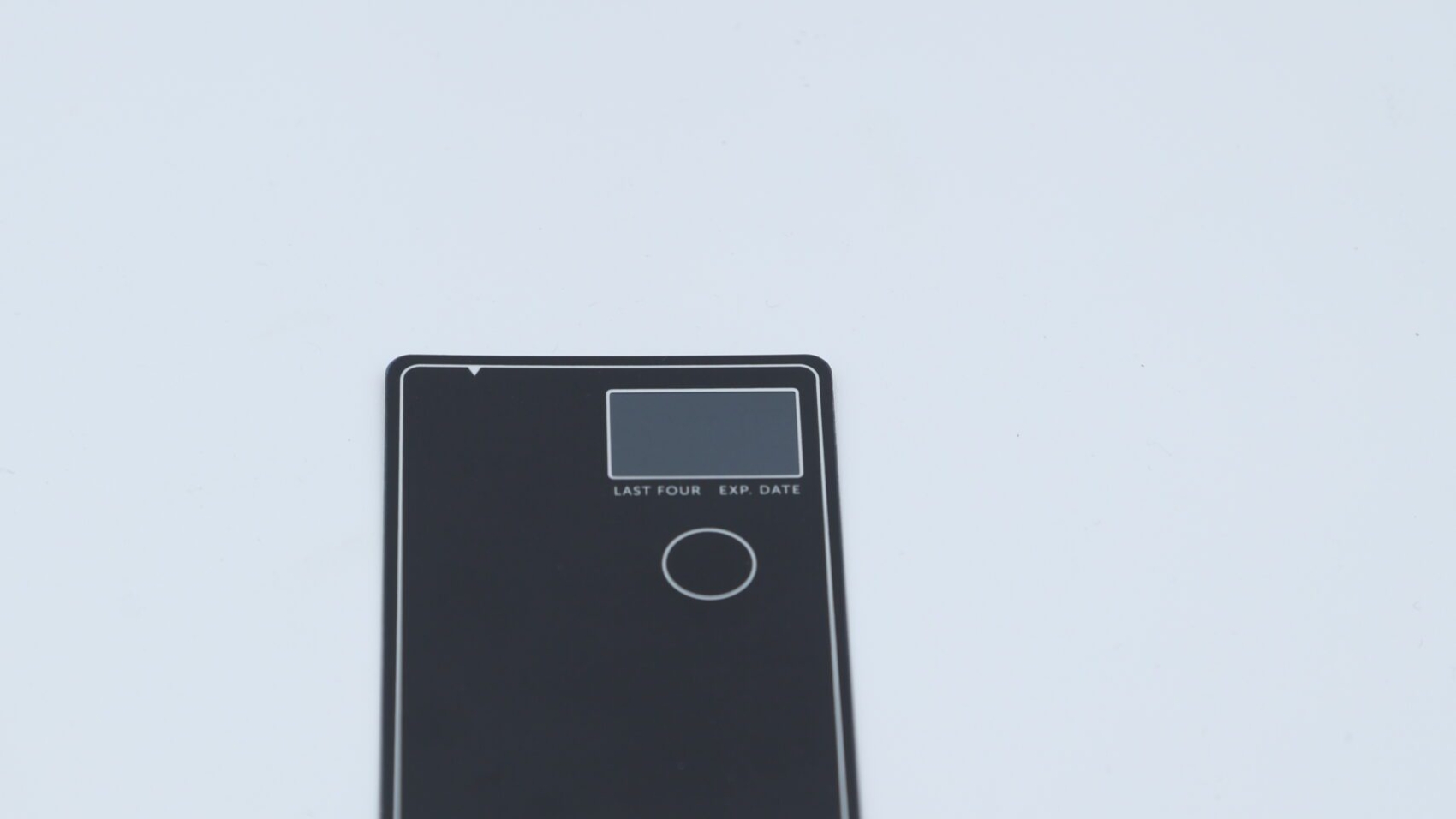
Coin 2.0
It’s digital credit card which had a 50% failure rate led to it’s demise in 2016.