Ford Edsel - Failure Museum

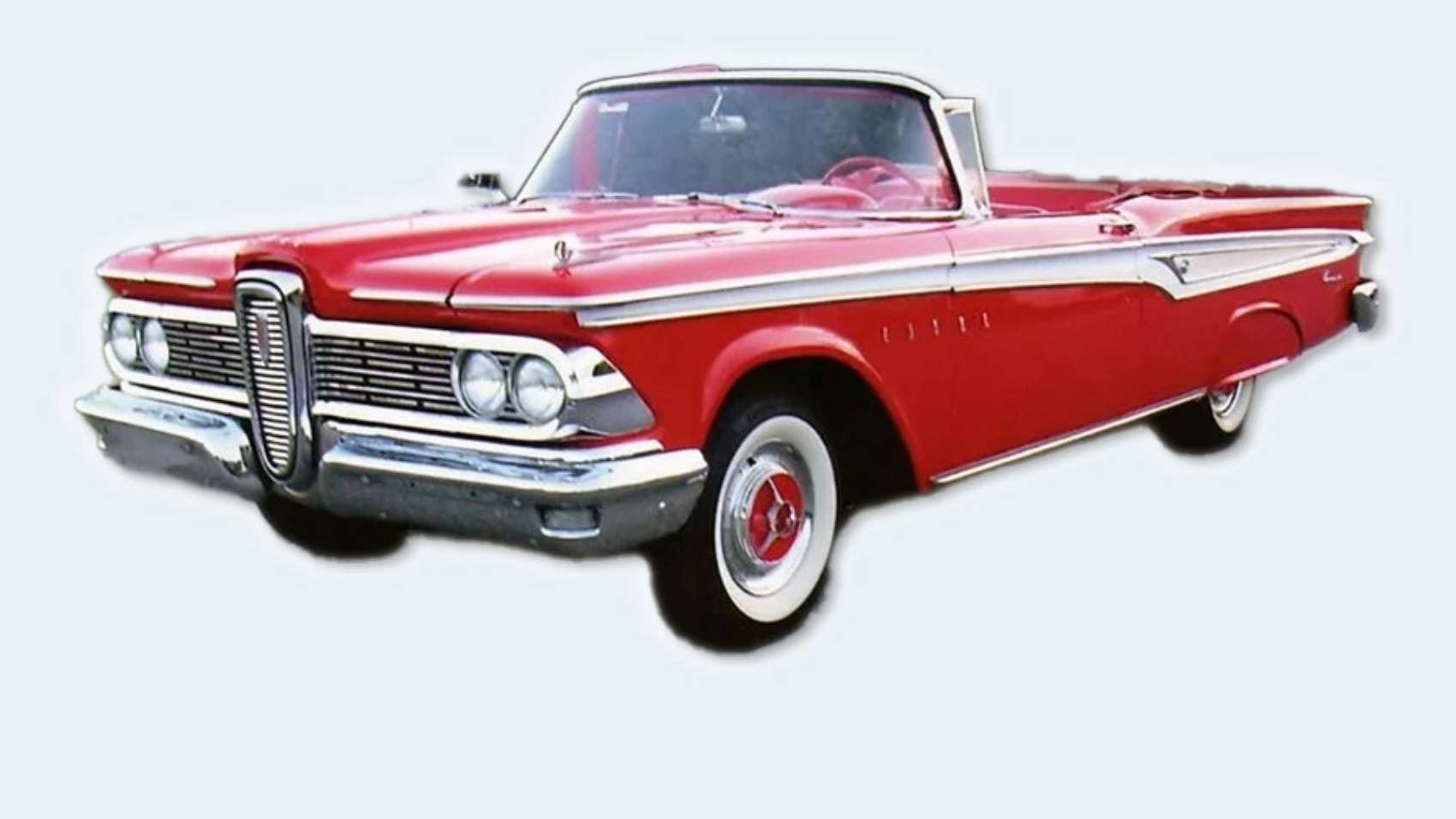
Ford Edsel

Built in 1957, Ford invested $400 million in development, manufacturing, and marketing of the Edsel. Ford believed that the Edsel was the “car of the future.” However, once it was unveiled to the public, it failed so badly to appeal to the consumers that Ford ended up losing $250 million. Edsel was taken off the market in 1960 and became an example of how not to market a product.

Apple Pippin - Failure Museum

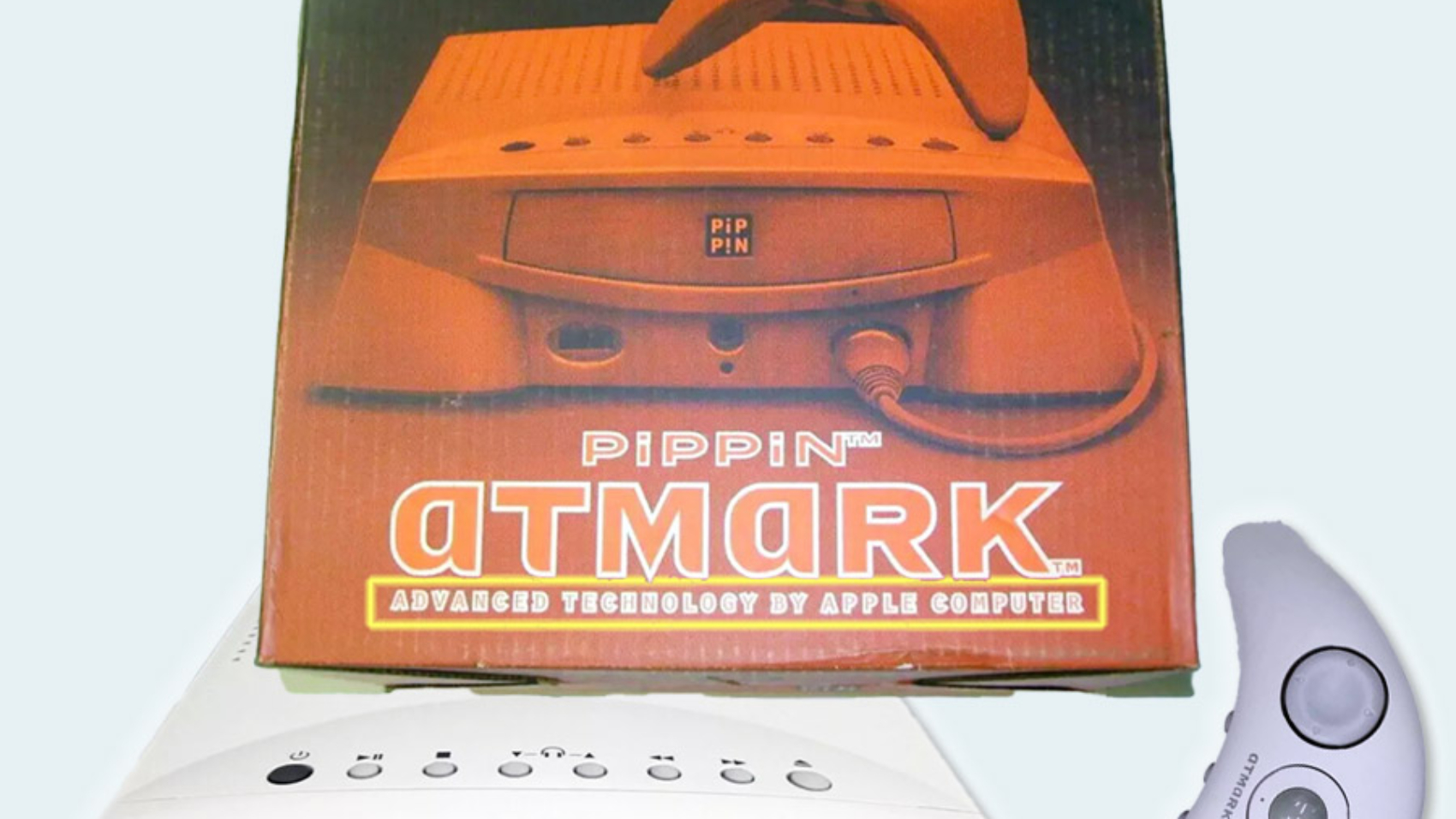
Apple Pippin

Released in 1995 and discontinued in 1997, Apple Pippin was directed at the home market as “an integral part of the consumer audiovisual, stereo, and television environment.” Apple produced 100,000 units of Pippin console and only 42,000 were sold. The console was a gaming, web browsing, and educational device that wasn’t appealing to the consumers. The Pippin platform was named for the Newtown Pippin, an apple cultivar, a smaller and more tart relative of the McIntosh apple (which is the namesake of the Macintosh).  

Apple licensed the Pippin technology to third-party companies. Bandai Company Ltd. developed the ATMARK and @WORLD models, and focused them on the gaming and entertainment business in Japan, Canada, and the United States.

Gymboree - Failure Museum

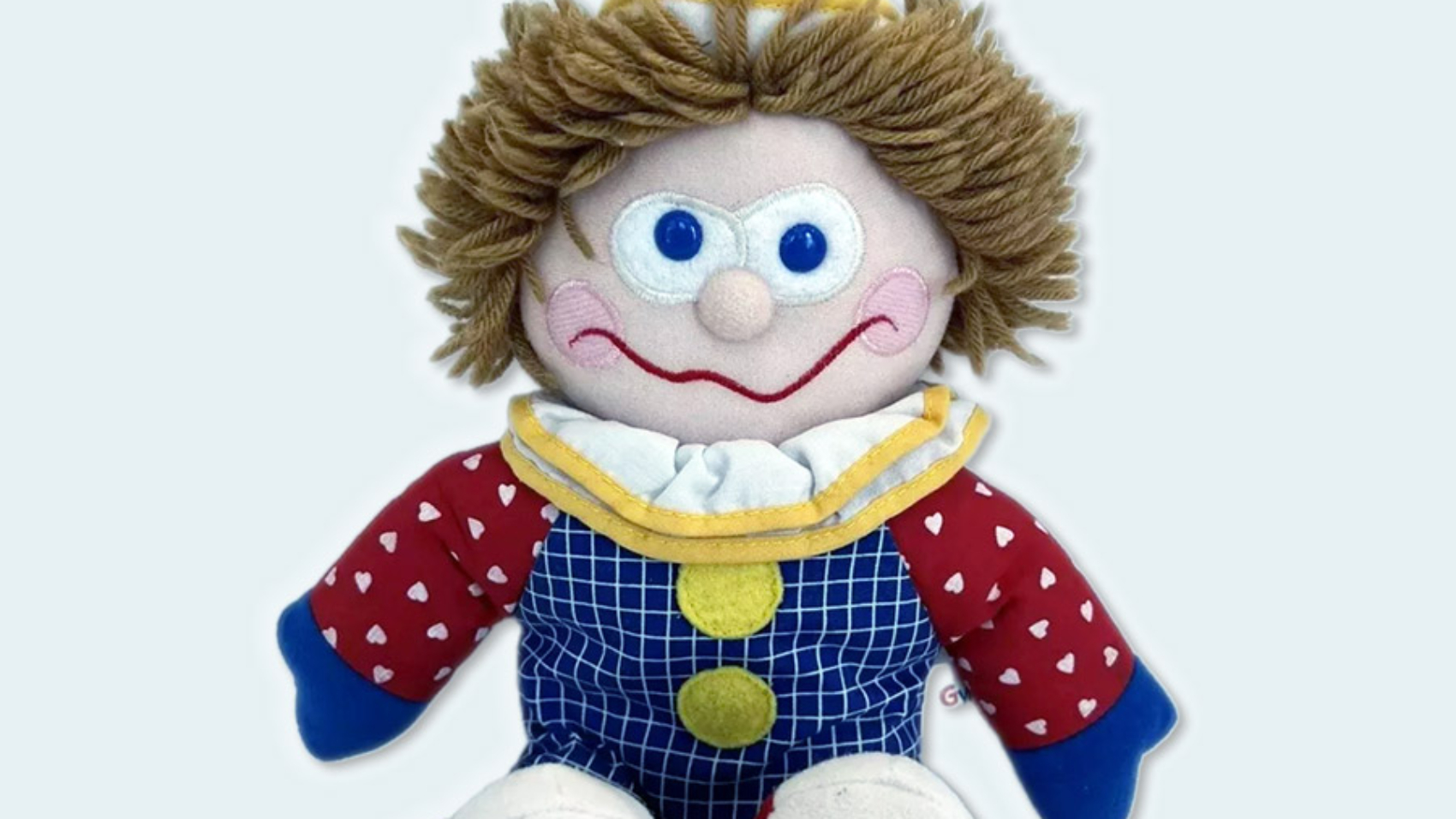
Gymboree

Gymboree, a children’s clothing retailer, filed for bankruptcy twice, in 2017 and 2019. They had $1.2B in debt due to the cost of opening new stores. They weren’t able to pay it down since performance deteriorated due to heavy competition.

Over 1000 children’s specialty locations opened in the early 2010s between Gymboree, Crazy 8, Carter’s, The Children’s Place, and other smaller brands. The increasingly saturated market became a race to the bottom on price, and Gymboree chose to join that race rather than maintain its previously more premium positioning — despite having smaller format stores and other cost disadvantages. 

General Motors EV1 - Failure Museum

General Motors’ EV1

In 1996, General Motors introduced EV1 as the first mass-produced electric car. It was a big hit with consumers and environmentalists. However, six years after the release, General Motors recalled the model, claiming liability and spare parts problems, making quite a few people angry.

McDonalds Mighty Wings 2 Failure Museum

McDonald’s Mighty Wings

Launched in 2013, McDonald’s added Mighty Wings to their menu to lure in more customers. But this new addition failed to succeed. It is believed that the reason for this flop was price, insufficient taste and the appearance wasn’t appetizing enough. Mighty Wings lasted only a year in the market.

Corfam Shoes DuPont - Failure Museum

Corfam Shoes by DuPont

In 1964, DuPont launched Corfam shoes with synthetic leather. They were advertised as a much better alternative to leather shoes and managed to rustle up some excitement about their new product. However, these shoes flopped after people started complaining that the shoes were stiff and too hot for feet. It resulted in the company losing over $100 million.

Starbucks Unicorn Frappuccino - Failure Museum

Starbucks Unicorn Frappuccino

Launched in 2017 and only on the market for 5 days, the Starbucks Unicorn Frappuccino used sweet pink powder, mango syrup, and sour blue drizzle to create the effect. The taste didn’t match the hype and disappointed many people, while the drinks was notoriously difficult for baristas to make.

Charmin Spacemaker - Failure Muyseum

Charmin Spacemaker

Launched in 1993, Charmin Spacemaker allowed you to squeeze toilet paper into half the space.