Limited use to only taking a peek at tweets; very few wanted two mobile devices led to its demise in 2009.
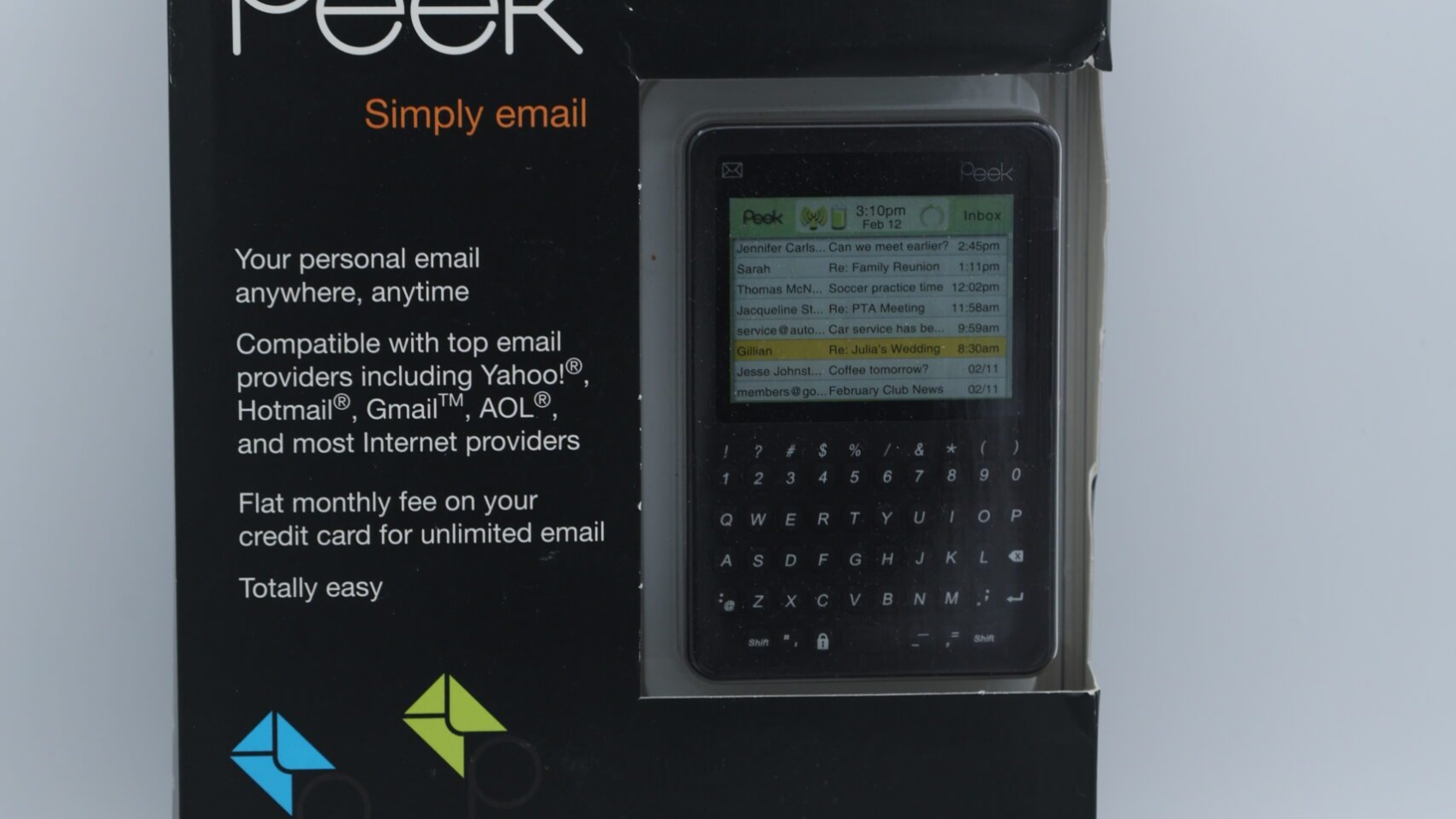

Limited use to only taking a peek at tweets; very few wanted two mobile devices led to its demise in 2009.
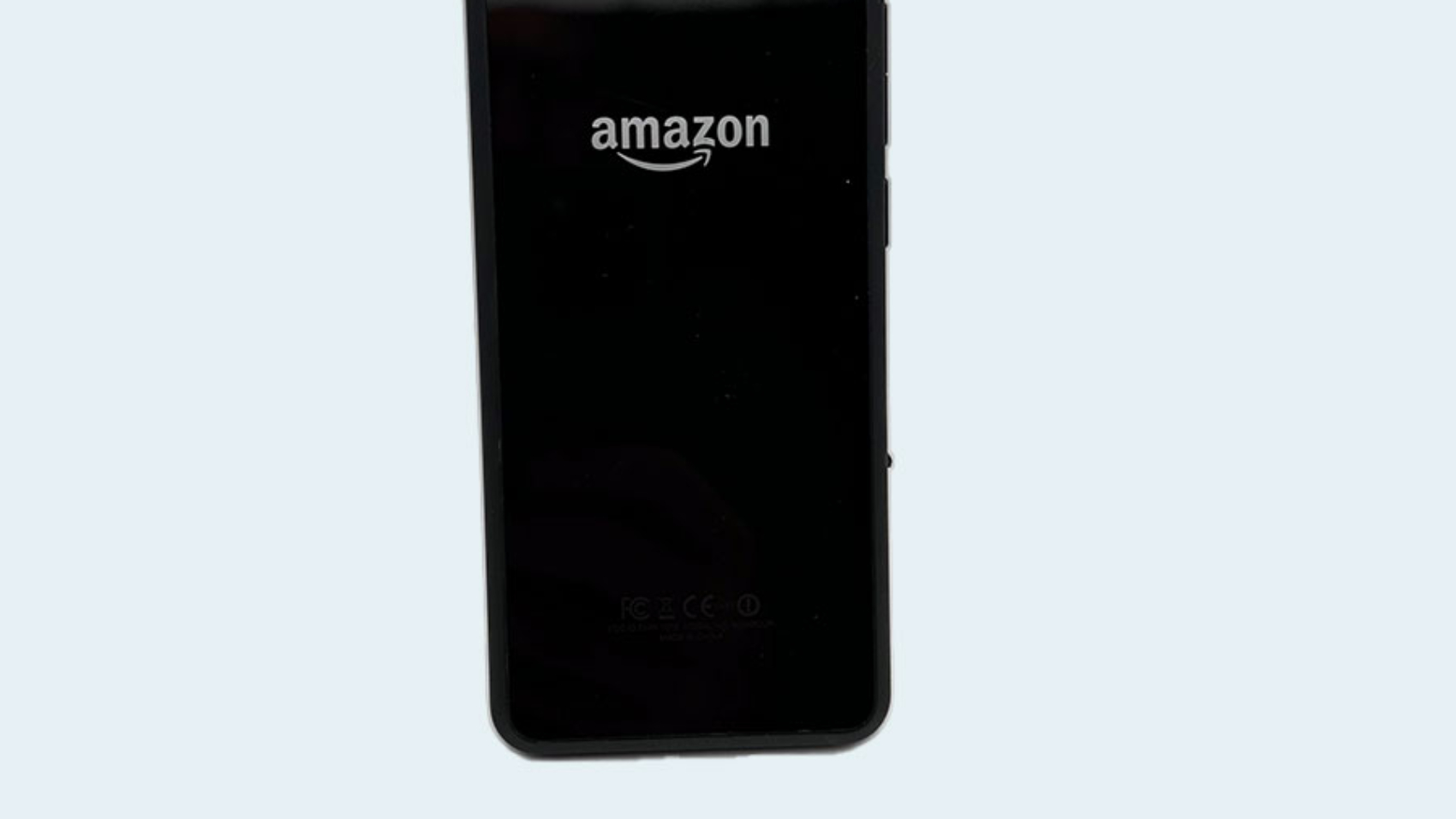
A small app store, being late to market, and features that appealed to heavy Amazon users led to Amazon Fire’s demise in 2015 after one year on the market.
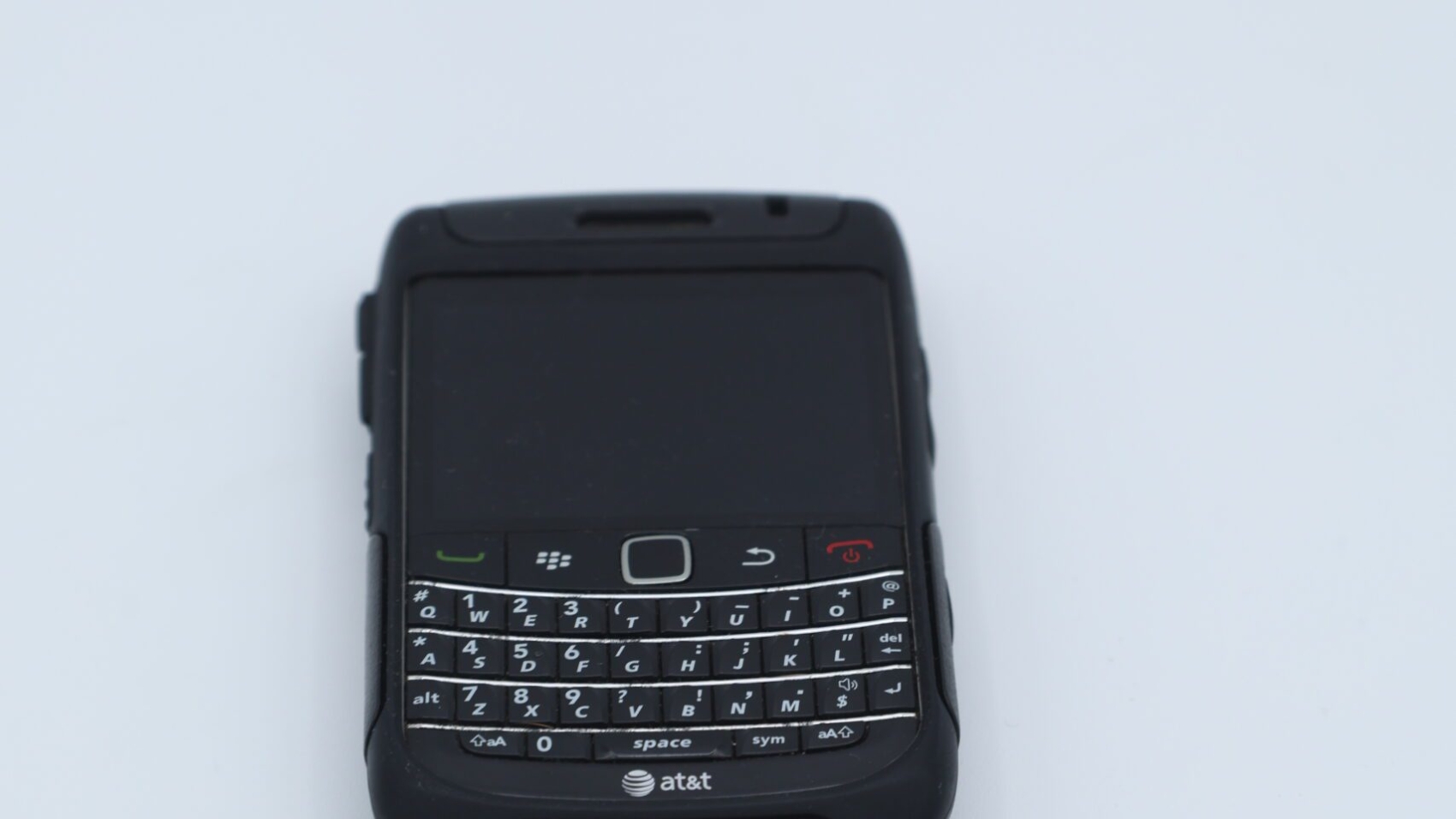
Excessive focus on enterprise over consumer tastes and preferences led to it’s downfall in 2016. At its height, BlackBerry controlled 45% of the cellphone market.

In 2014, the Nook wasn’t enticing to developers so the number of apps was limited and they weren’t able to market beyond the bookstore mindset.
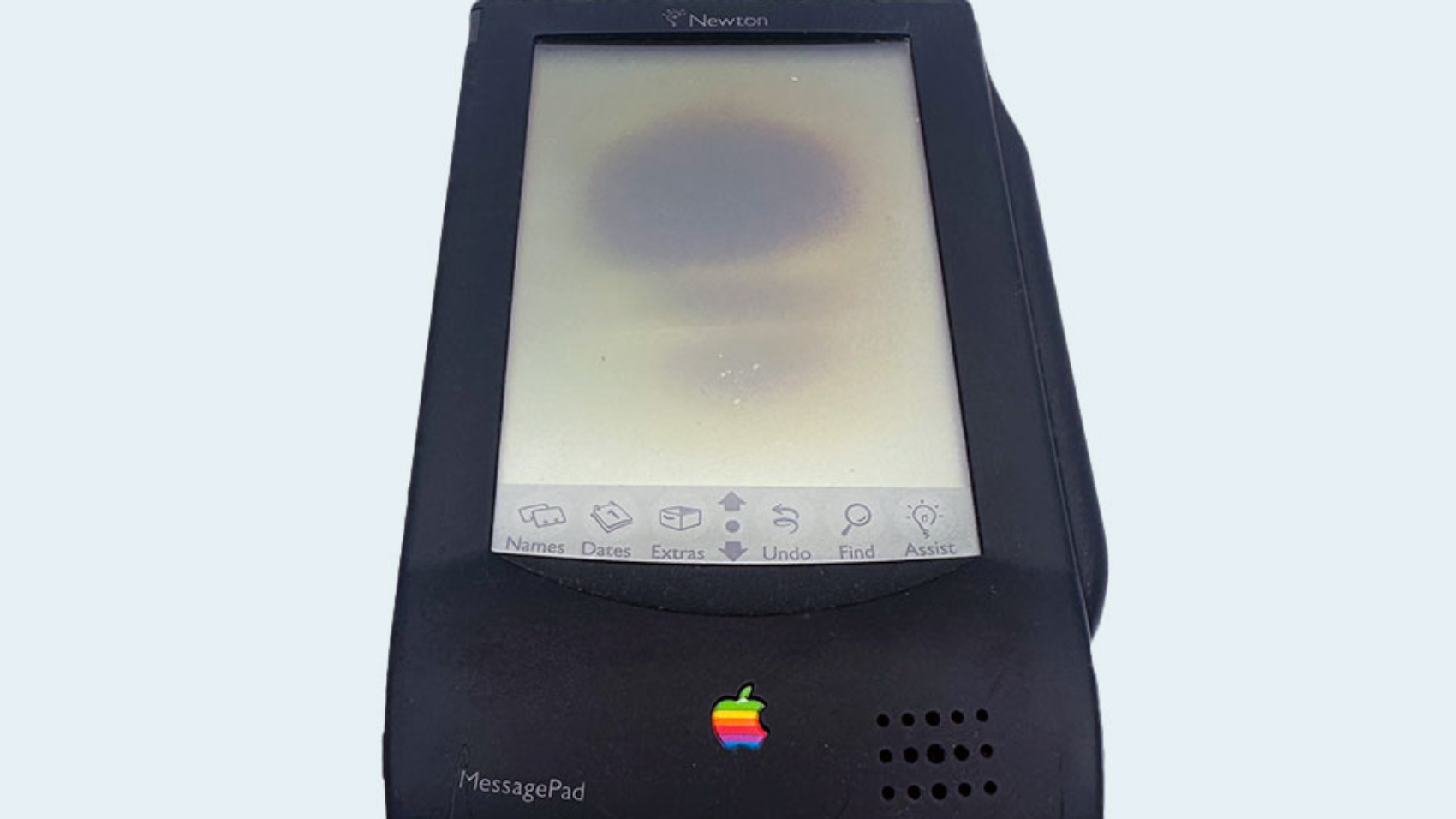
In 1997, the high price and early problems with its handwriting recognition feature limited Apple Newton’s sales.
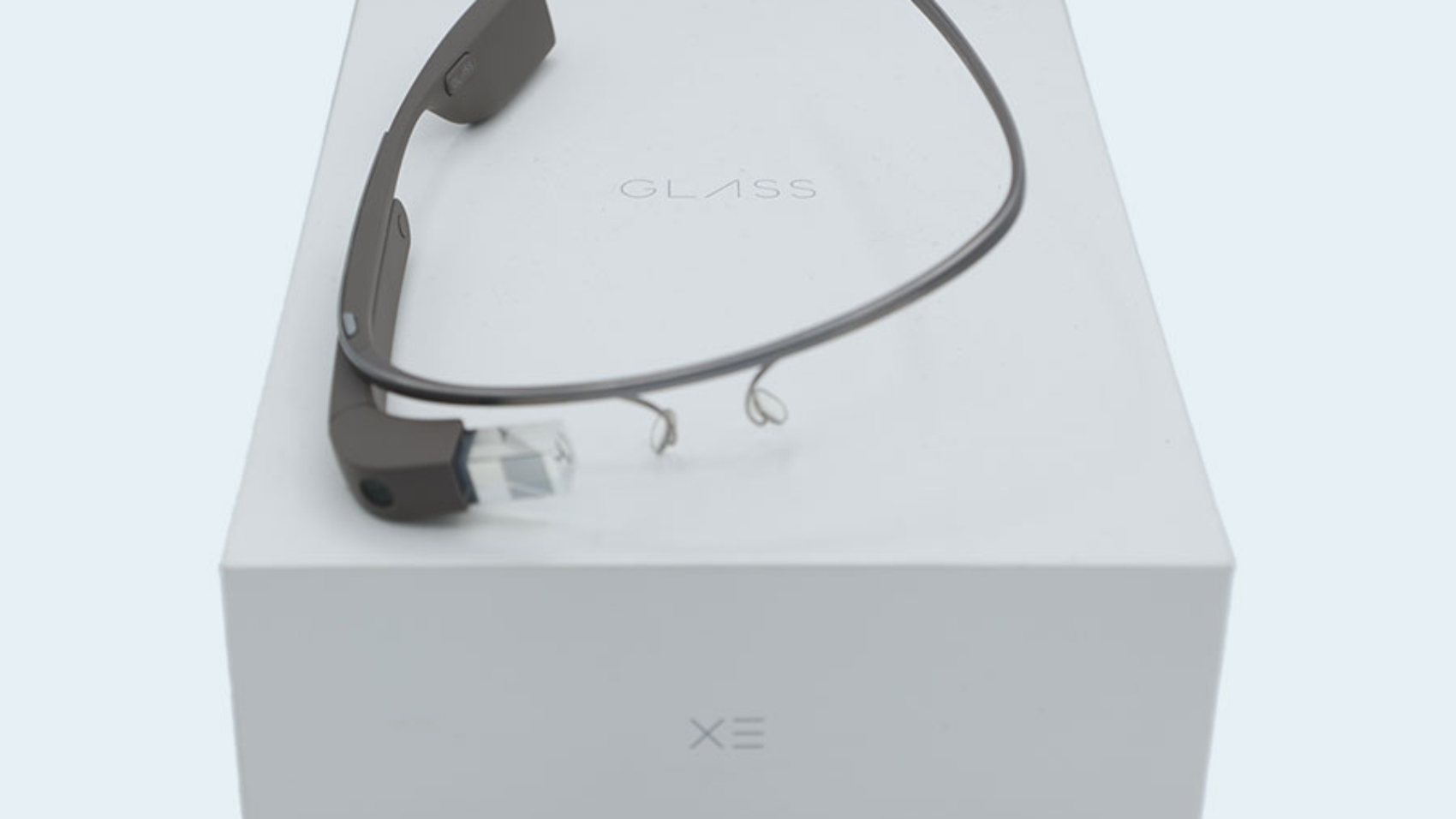
In 2018, Google Glass lacked the “cool” factor; concerns about price, safety, and privacy.
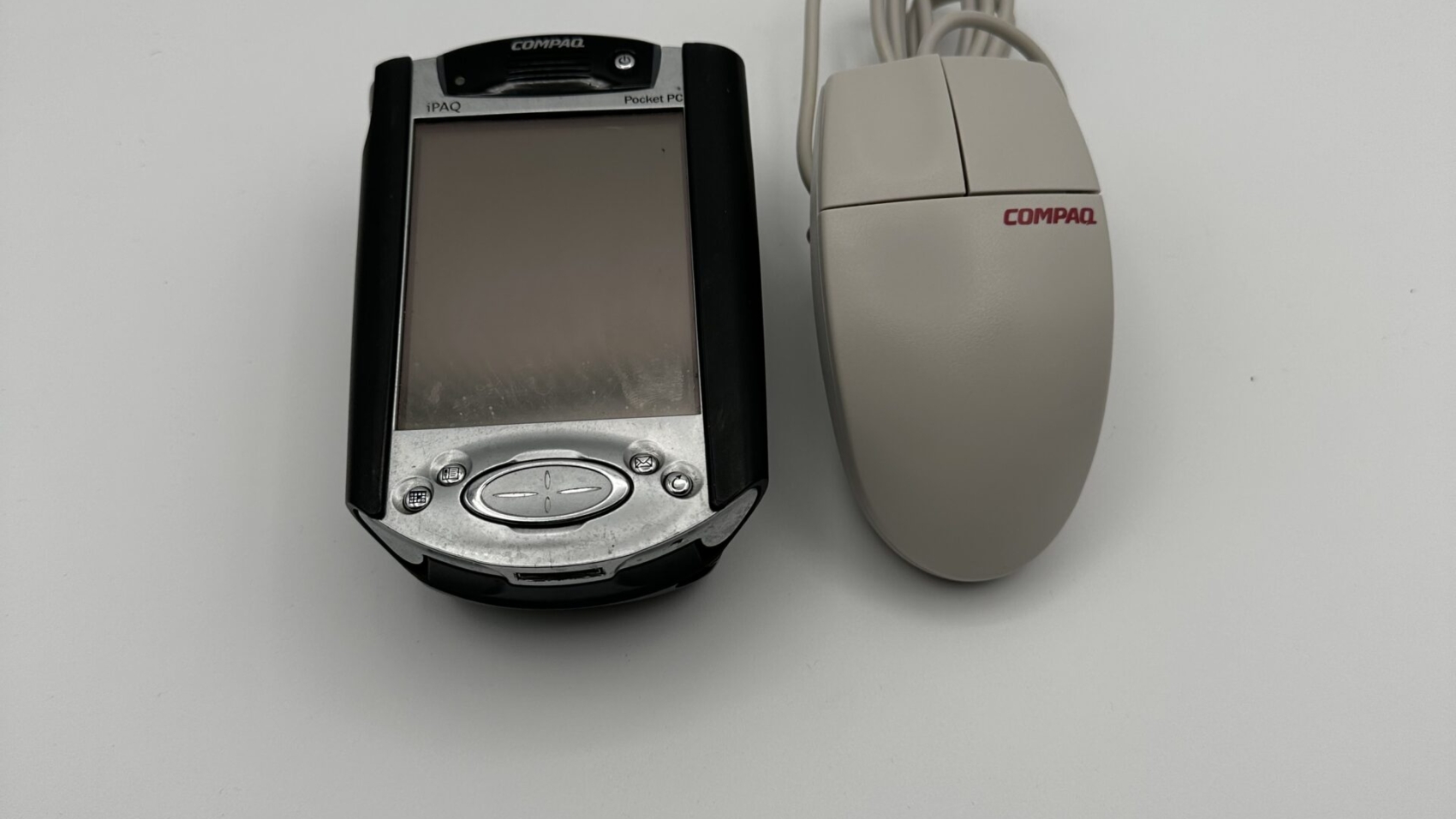
Compaq’s risky acquisition of DEC as well as price wars with Dell and Intel led to it’s downfall in 2002.
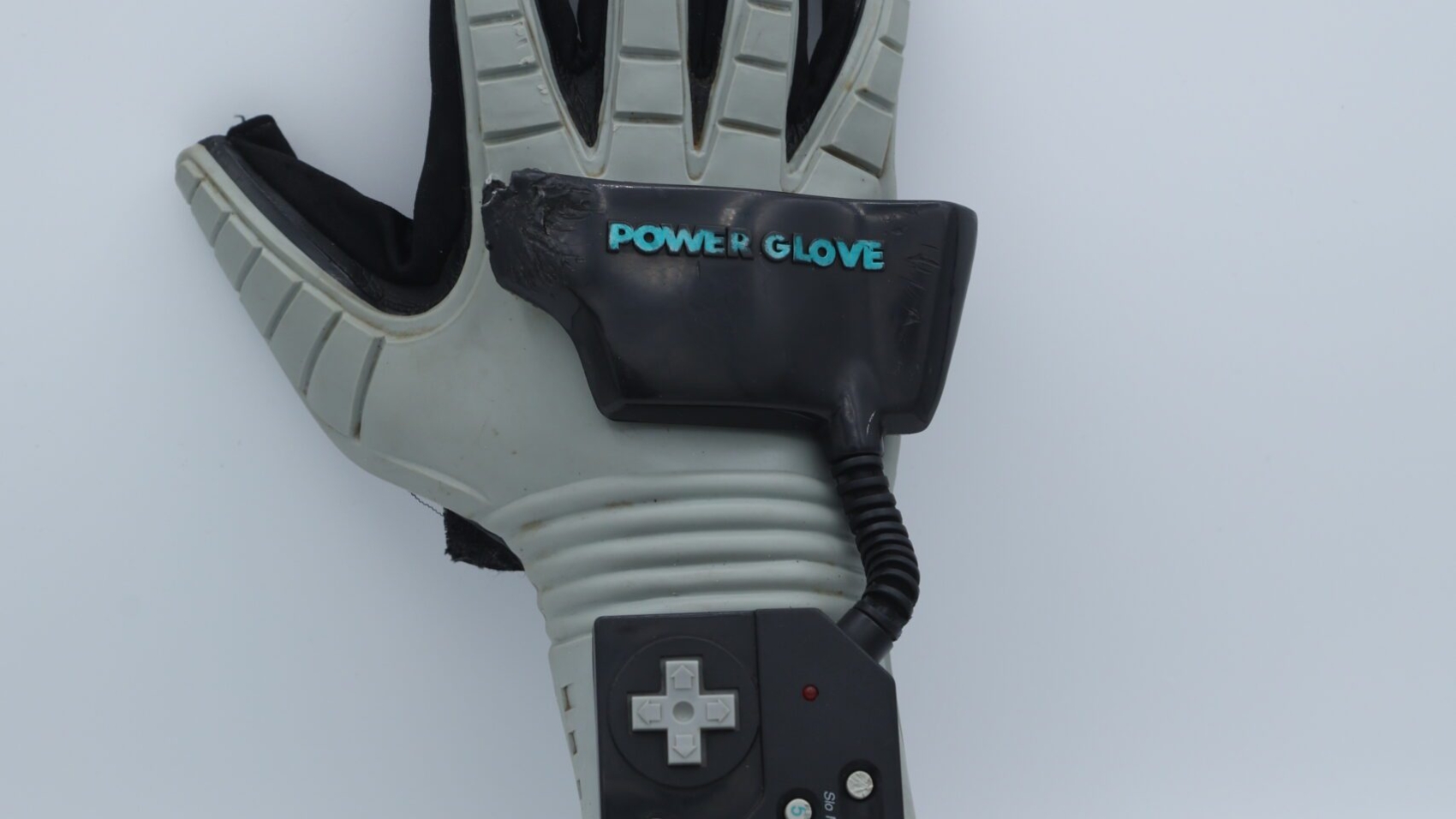
In 1989, controls for the glove were obtuse, making it impractical for almost every game.
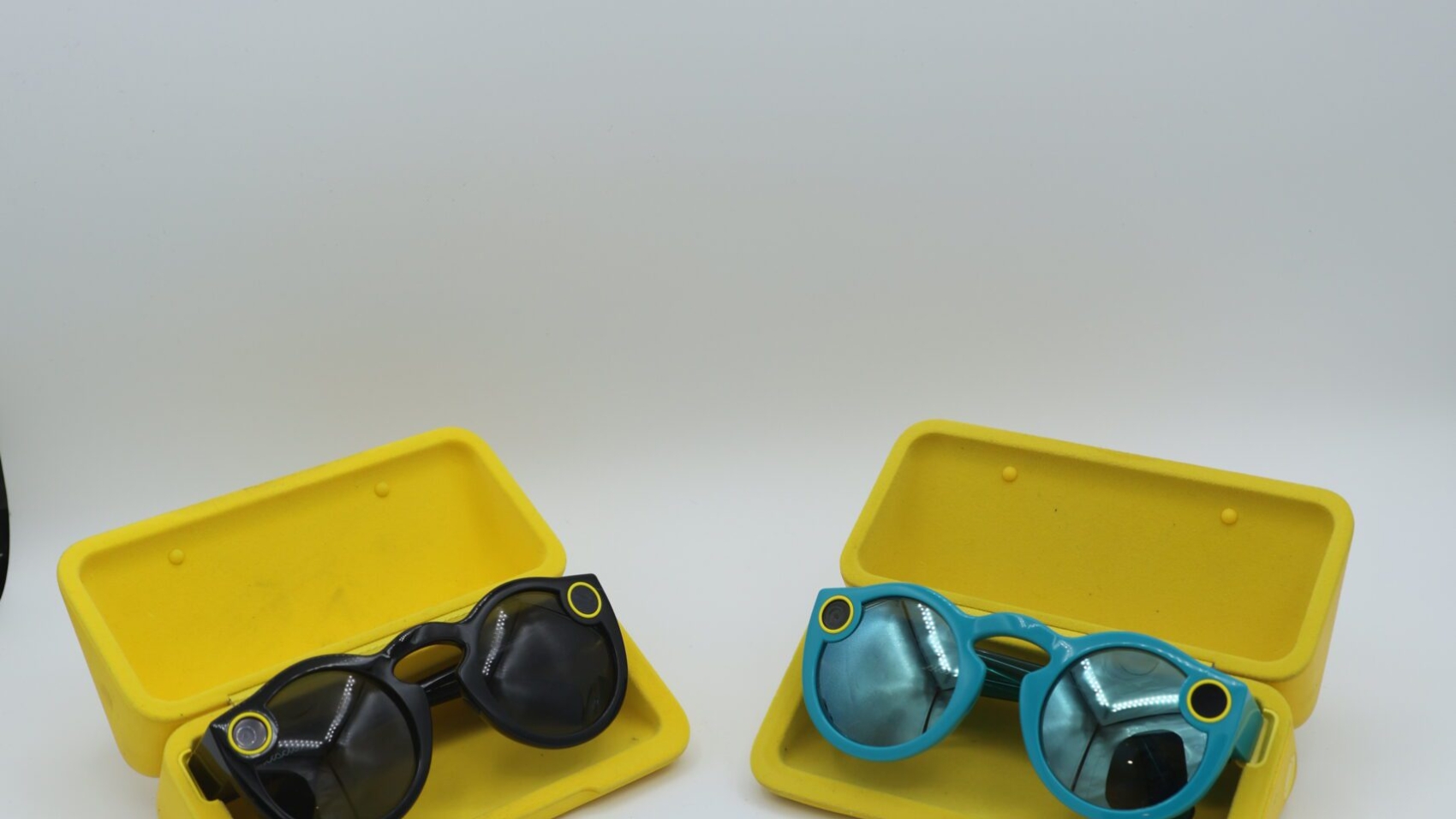
In 2017, had too niche of usage since users could only share content with the SnapChat app and not via cell phones.

In 1978, the Ford Pinto bursted into flames if its gas tank was ruptured in a collision.