Failed SPAC IPO in 2023 led to its demise. They aspired to be the leader in the development of rainfall generation technology.
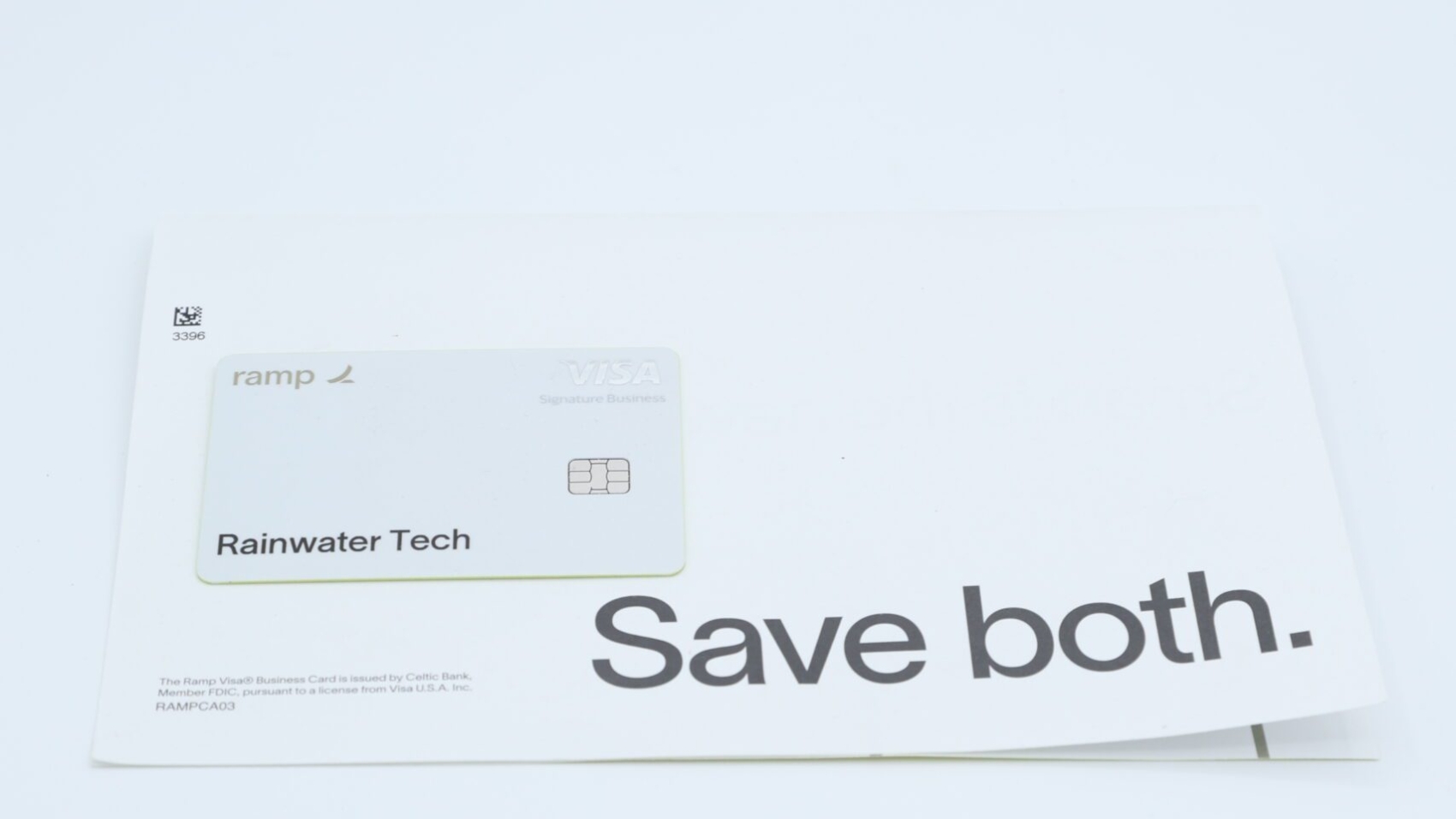

Failed SPAC IPO in 2023 led to its demise. They aspired to be the leader in the development of rainfall generation technology.
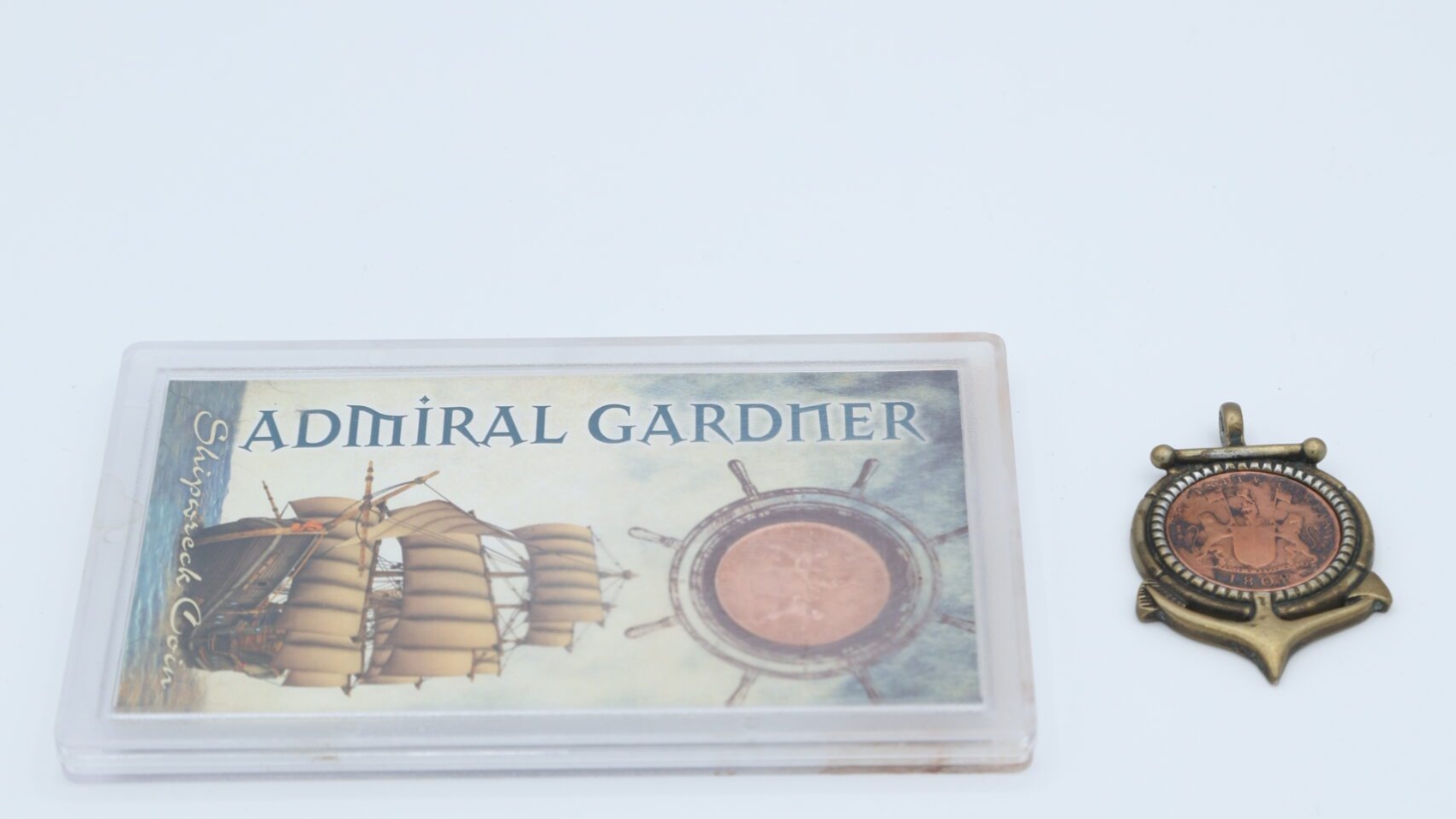
Was the largest company in the world & accounted for half the world’s trade; recurring problems with finances led to it’s demise in 1874.
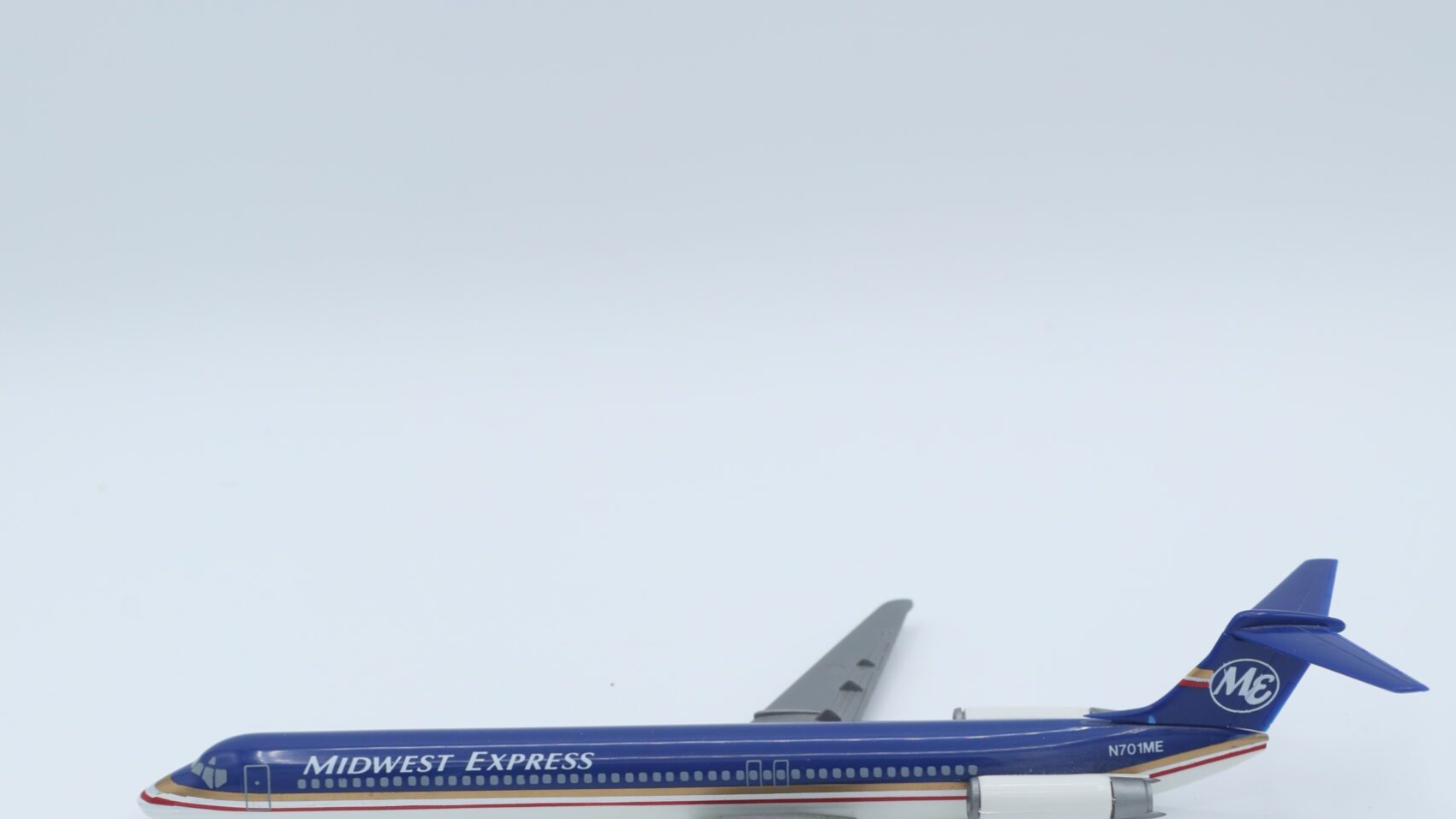
In 2010, deteriorating safety record and financial difficulties led to eliminating 2X2 seating and gourmet meals
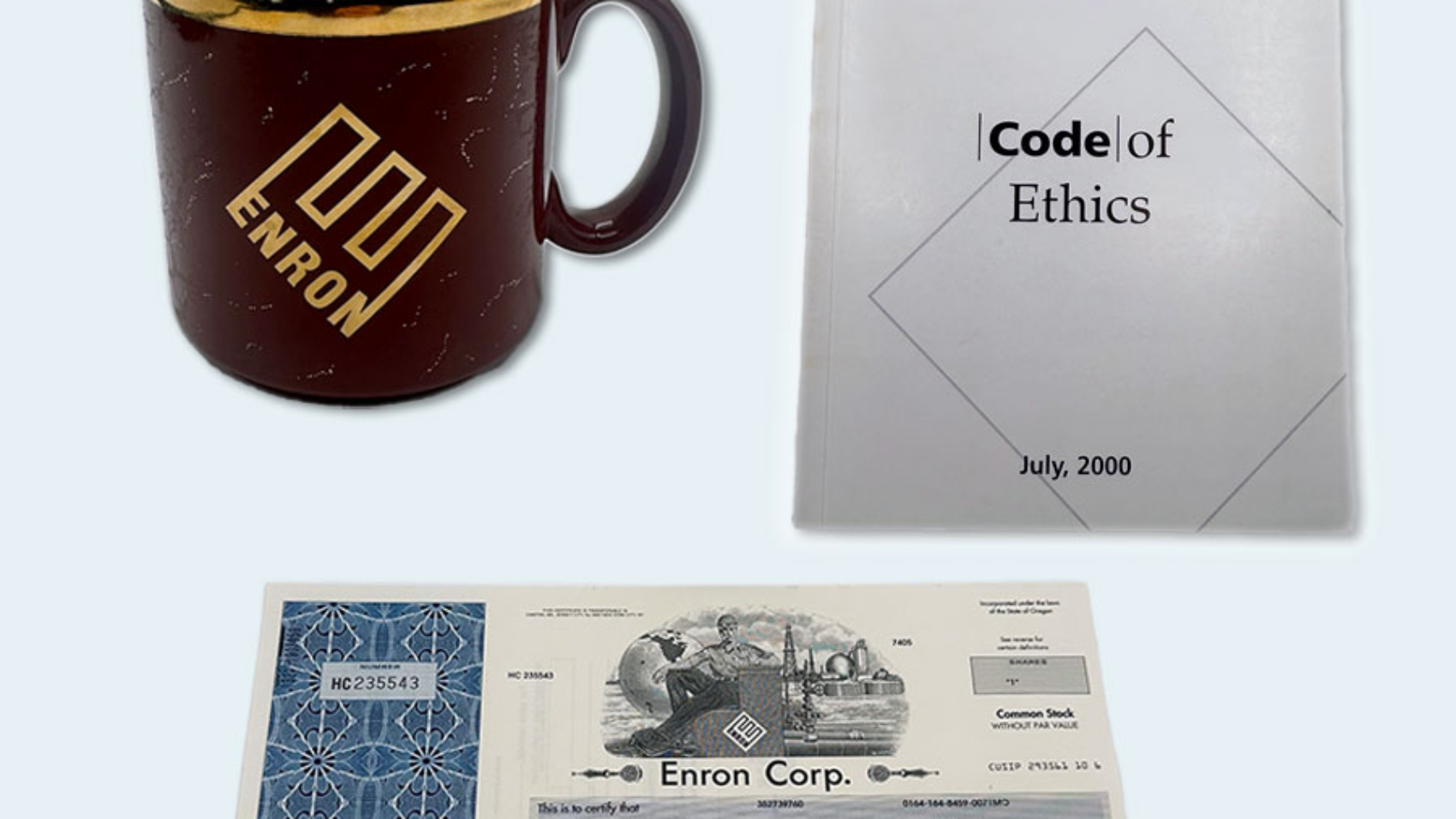
Enron’s downfall was caused by widespread accounting fraud, where executives used complex schemes and special purpose entities to hide billions in debt and inflate earnings, making the company appear more successful than it was. This deception led to its collapse in December 2001, the largest bankruptcy in U.S. history at the time, resulting in massive losses for employees and investors after the company had peaked at a $70B market cap. The scandal also led to the downfall of Enron’s auditor, Arthur Andersen, and spurred the enactment of the Sarbanes-Oxley Act (SOX) to prevent similar corporate misconduct.
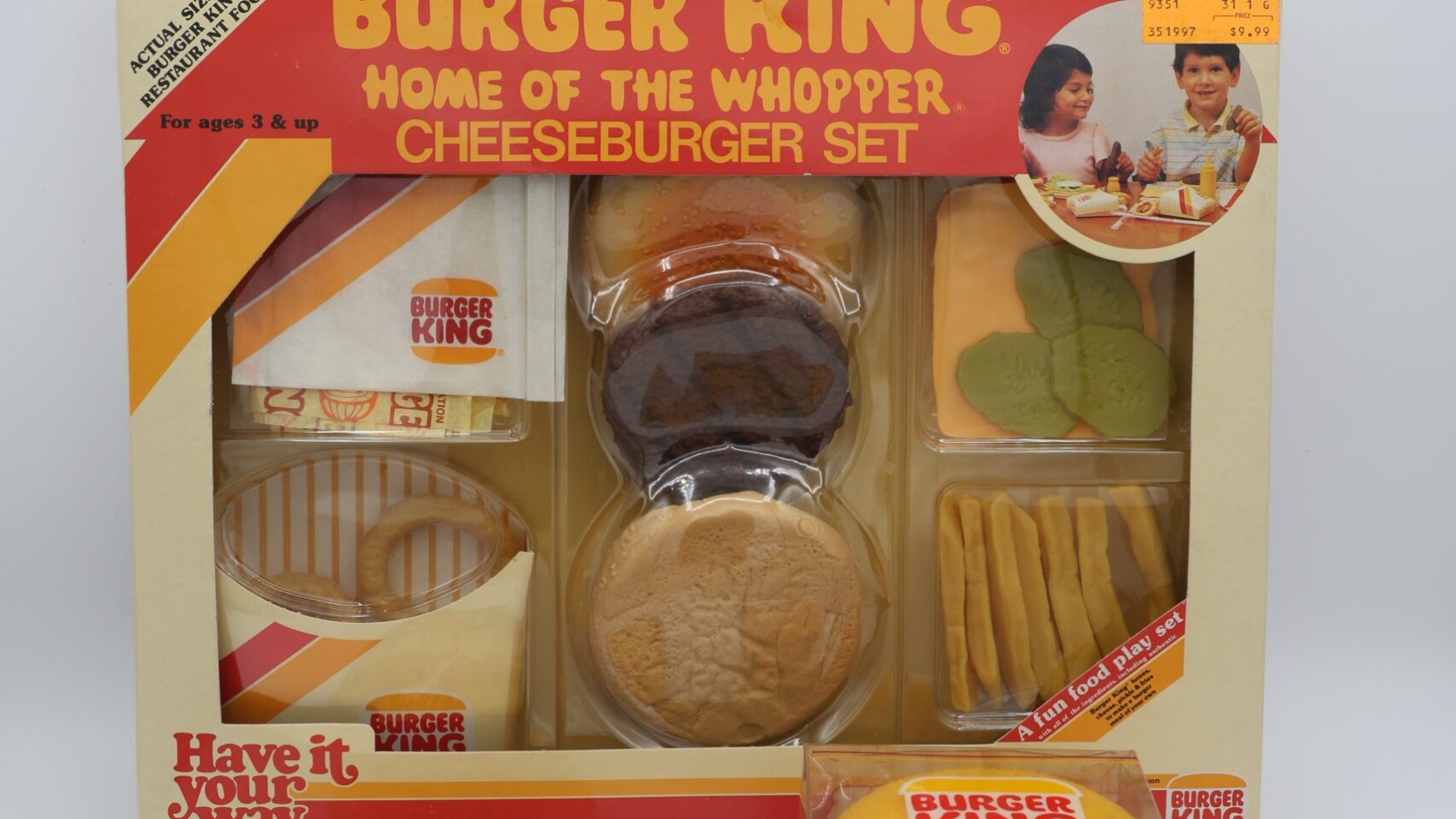
Promotional items sold to consumers who loved Burger King in 1985.
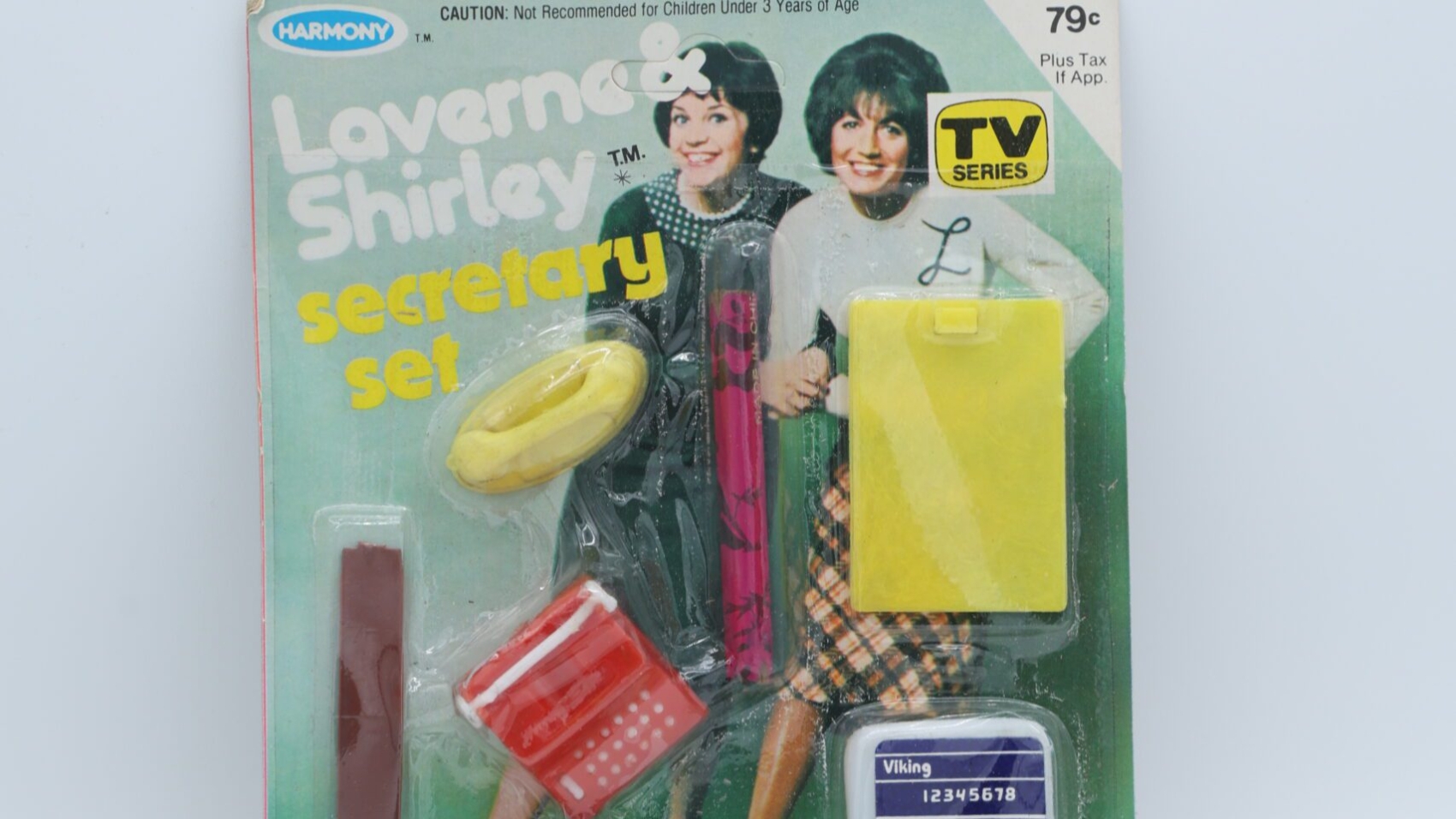
In 1978, the set depicts two brewery workers as secretaries; if it’s a role play item what’s with the tiny, useless book case?
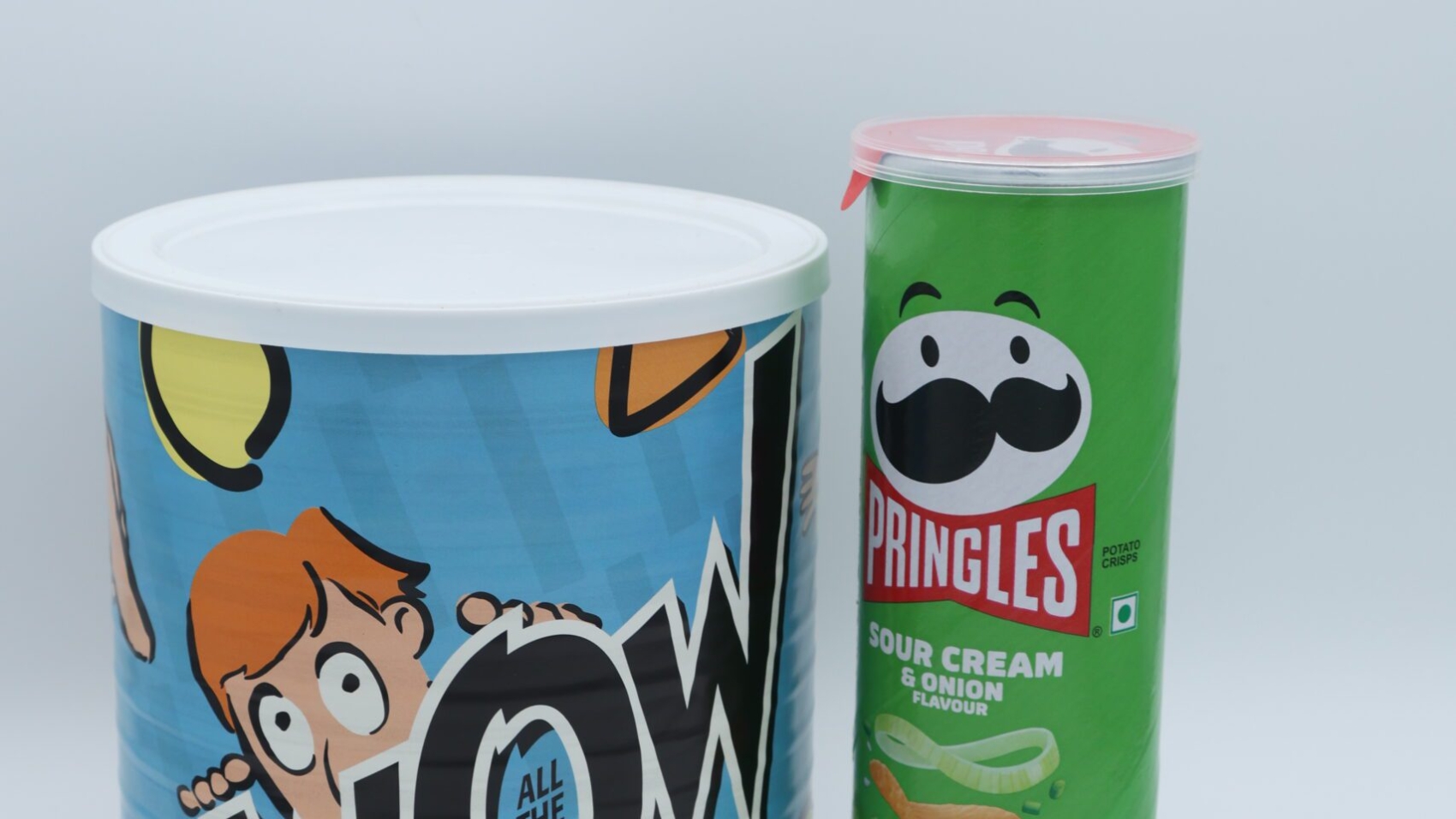
In 2000, chips with Olestra had 50% fewer calories but the body could not absorb the substance, which caused gastric cramps and diarrhea.
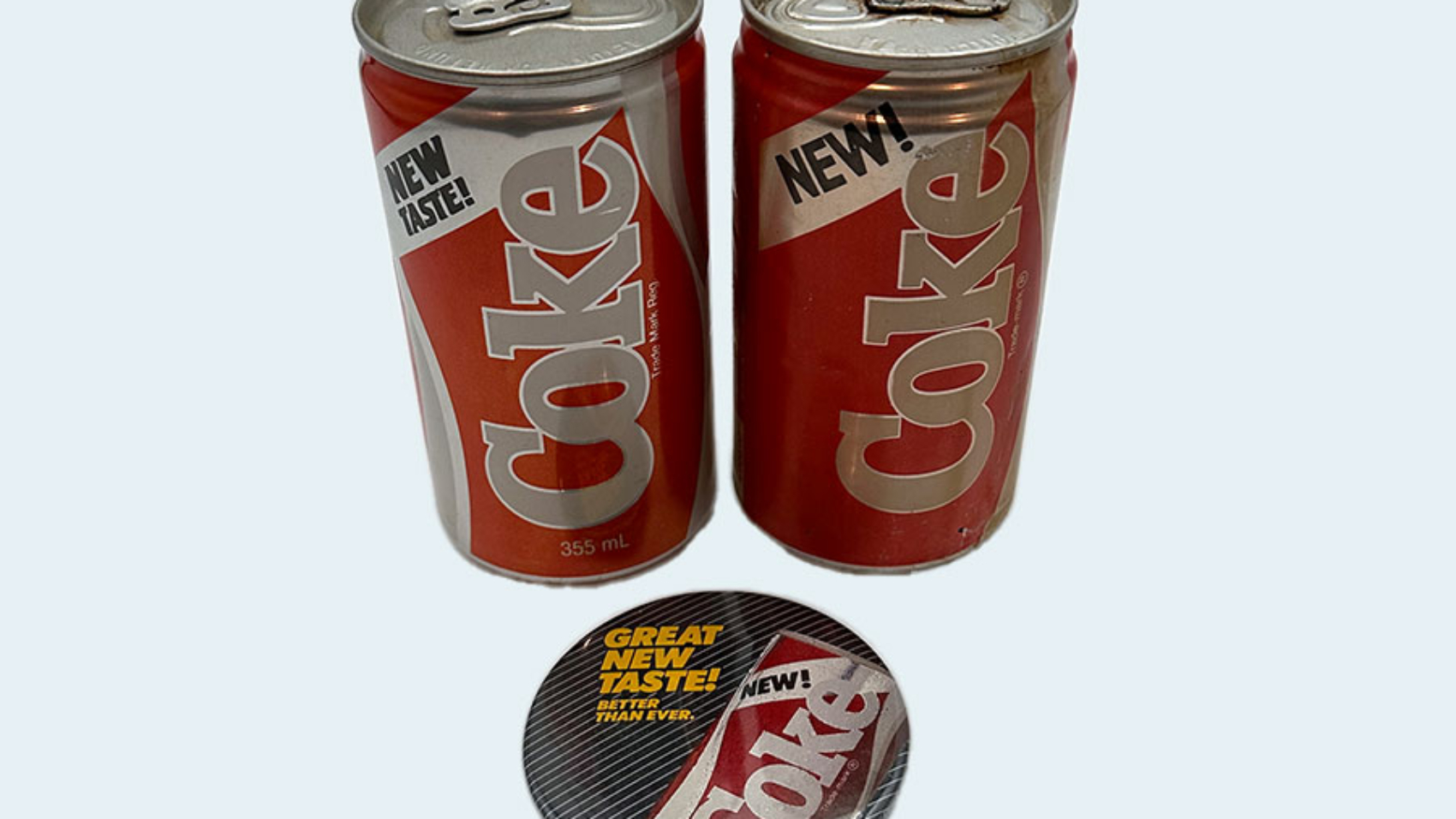
In 1985, Coca-Cola reformulated Coke because they were losing market share to the sweeter tasting Pepsi-Cola. Consumers rejected New Coke as they had a deep emotional attachment to the original Coca-Cola. New Coke was discontinued 79 days after it’s release.
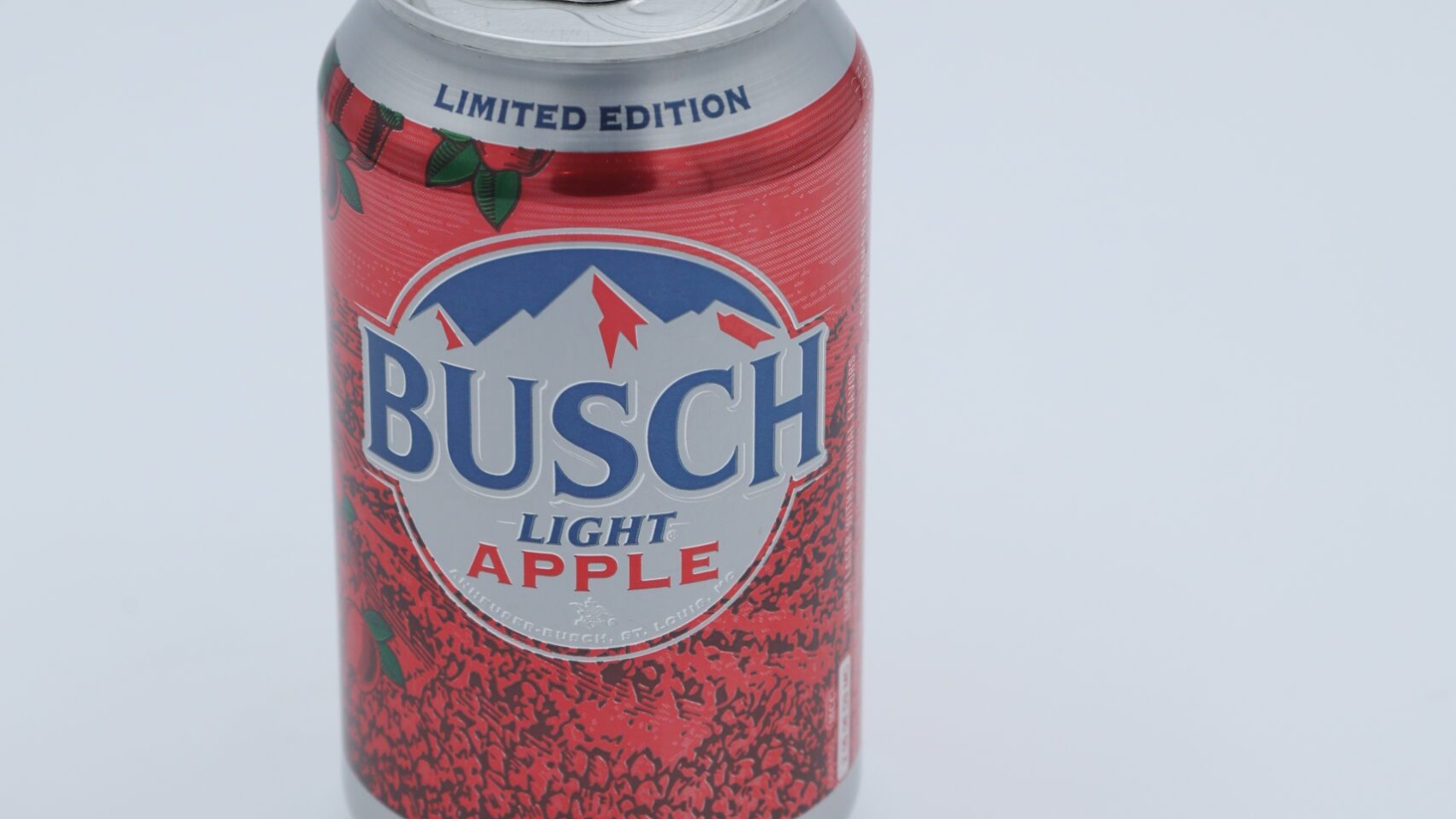
Seasonal beer that hasn’t had the staying power of summer favorites like Leinenkugel’s Summer Shandy led to it’s demise in 2022.
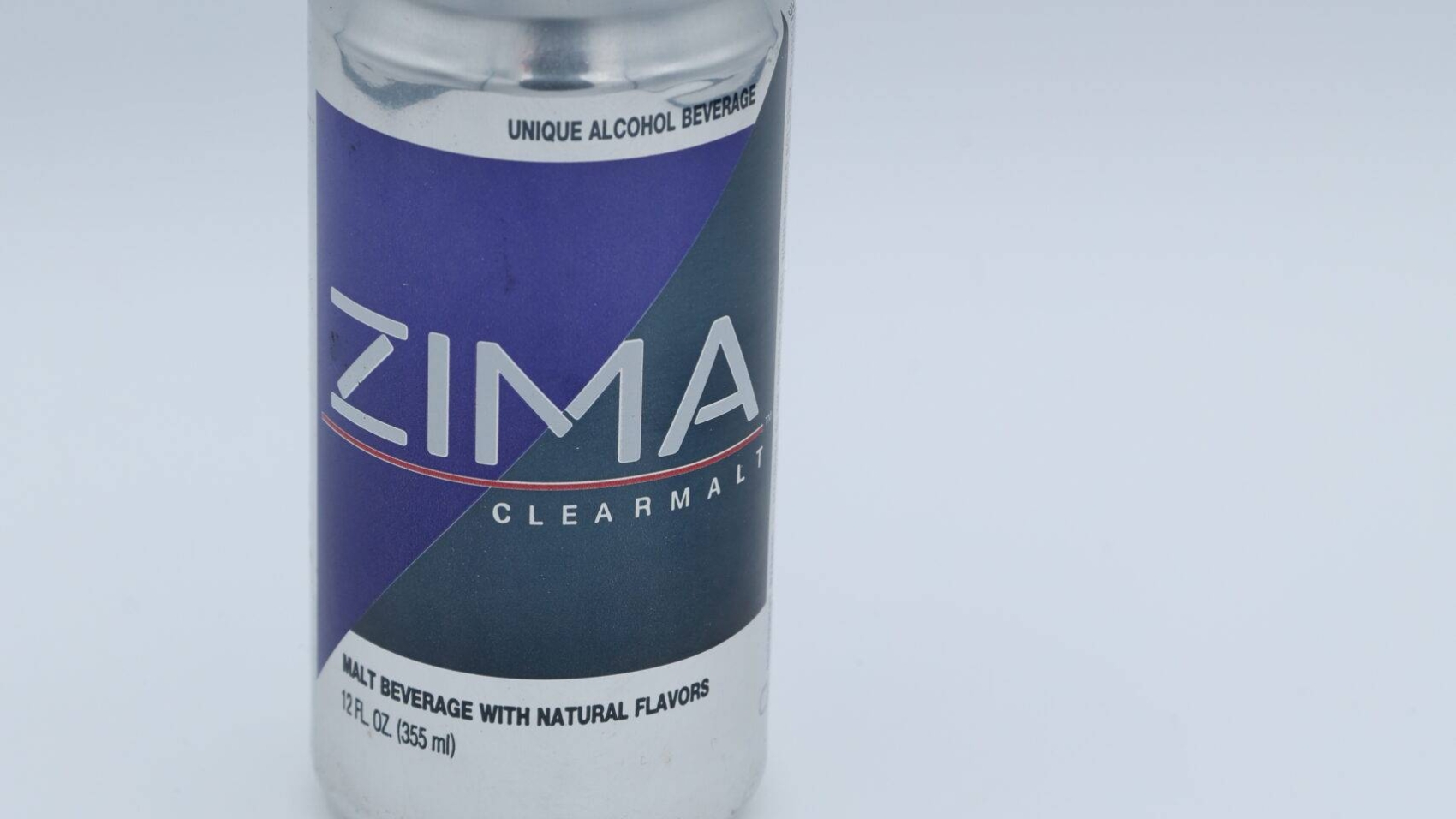
Launched in 1993 by Coors, Zima was marketed as a clear malt beverage – not quite beer, not quite a cocktail. Beer drinkers thought it was too sweet and weak, while spirits drinkers didn’t see it as a “real” drink. In addition, many people didn’t like the taste – often described as bland or medicinal.